
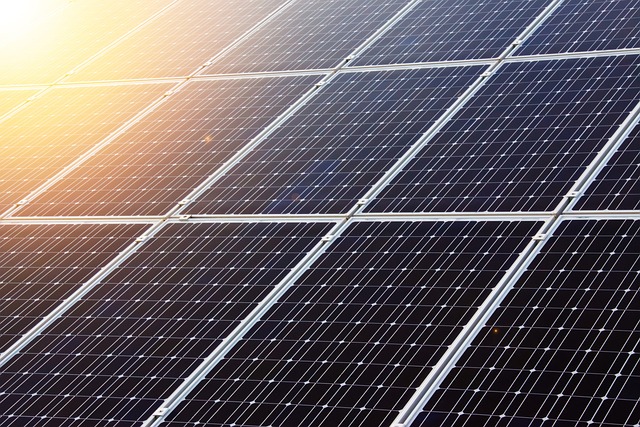
As the world becomes more reliant on renewable energy, solar panel installation and connection are becoming increasingly important. Solar panels are a great way to save money on your energy bill. They help the environment, but they can be tricky to install. In this blog post, we’ll give you some tips on solar panel installation and connection. You can get the most out of your solar panels.
Solar Panel Installation And Connection
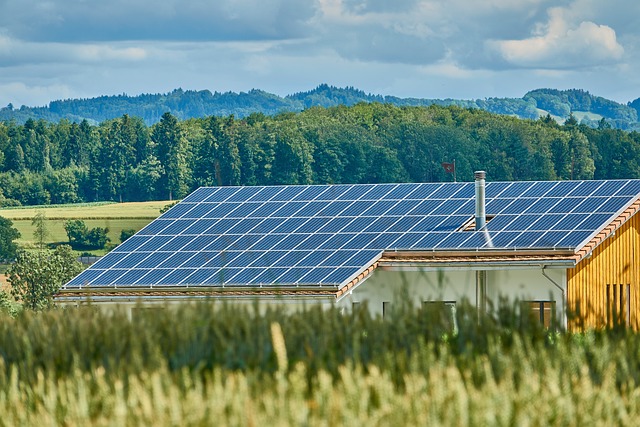
A solar panel installation and connection is a process whereby photovoltaic panels are mounted onto a roof or other suitable location and electrically connected to an existing electrical system to provide clean, renewable energy. This type of system can offset some or all of the energy costs associated with running a home or business.
The benefits of solar panel installation and connection
There are many benefits to installing solar panels and connecting them to the grid. Solar panels can help reduce your electric bill, they’re good for the environment, and they can provide you with backup power in case of an outage.
- Reduce your electric bill: Solar panels generate electricity from sunlight, which is free once you’ve installed the panels. The electricity generated by your solar panels will offset the cost of the electricity you would have otherwise purchased from your utility company. In some cases, you may even be able to sell excess electricity back to the grid.
- Good for the environment: Solar energy is a renewable resource, which means it won’t run out like fossil fuels. Generating electricity from solar power also produces zero emissions, making it much better for the environment than traditional forms of energy generation such as coal or natural gas.
- Backup power: If your area is prone to power outages, having solar panels can give you peace of mind knowing that you have a backup source of electricity. Solar panel systems can be designed to work off-grid, meaning they’re not connected to the electrical grid. This is a good option if you want to be completely self-sufficient, but it’s important to note that you won’t be able to sell any excess electricity back to the grid if you go this route.
How to install and connect solar panels?
Assuming you have the necessary equipment, installing and connecting solar panels is a relatively easy process. Here are the basic steps:
- Position the solar panel array in a sunny location.
- Connect the panels to the inverter using MC connectors.
- Run the DC cable from the inverter to the charge controller.
- Connect the charge controller to the batteries using battery terminals.
- Connect the AC cable from the inverter to an AC outlet or breaker box.
Now, let’s go into more detail on each of these steps:
- Positioning the solar panel array is important for two reasons: first, you want to make sure that the panels are in a location where they will get plenty of sunlight; and second, you want to make sure that the array is positioned so that it is safe and secure, and will not pose any potential hazards. Once you have found a suitable location, use screws or brackets to secure the array in place.
- Connecting the panels to the inverter is a simple matter of using MC connectors to join them together. Make sure that all connections are tight and secure before proceeding.
- The DC cable from the inverter needs to be run to the charge controller; this can be done by routing it through an existing hole or opening in your home’s electrical system, or by drilling a new hole (be sure to
Solar panel installation and connection FAQs
In this section, we will answer some of the most frequently asked questions about solar panel installation and connection.
- What is the process of solar panel installation and connection?
The process of solar panel installation and connection is actually quite simple. First, the panels are mounted on the roof or in another sunny location. Then, the panels are connected to an inverter, which converts the DC power from the panels into AC power that can be used by your home or business. Finally, the inverter is connected to the electrical grid, so that any excess power generated by the panels can be fed back into the system.
- How long do solar panel installation and connection take?
You can typically complete solar panel installation and connection in one day. However, it is always best to consult with a professional installer to get an accurate estimate for your specific project.
- How much do solar panel installations and connections cost?
Solar panel installations and connections typically cost between $2000 and $8000, depending on the size and complexity of the project. many states offer incentives for solar installations. it is always best to check with your local utility company. to see if you qualify for any discounts.
Conclusion
We hope that this article has helped you understand the basics of solar panel installation and connection. Solar panels are a great way to reduce your carbon footprint and save money on your energy bills. With a little bit of planning and preparation, you can install solar panels yourself. If you have any questions about solar panel installation or connection, feel free to leave a comment below.