

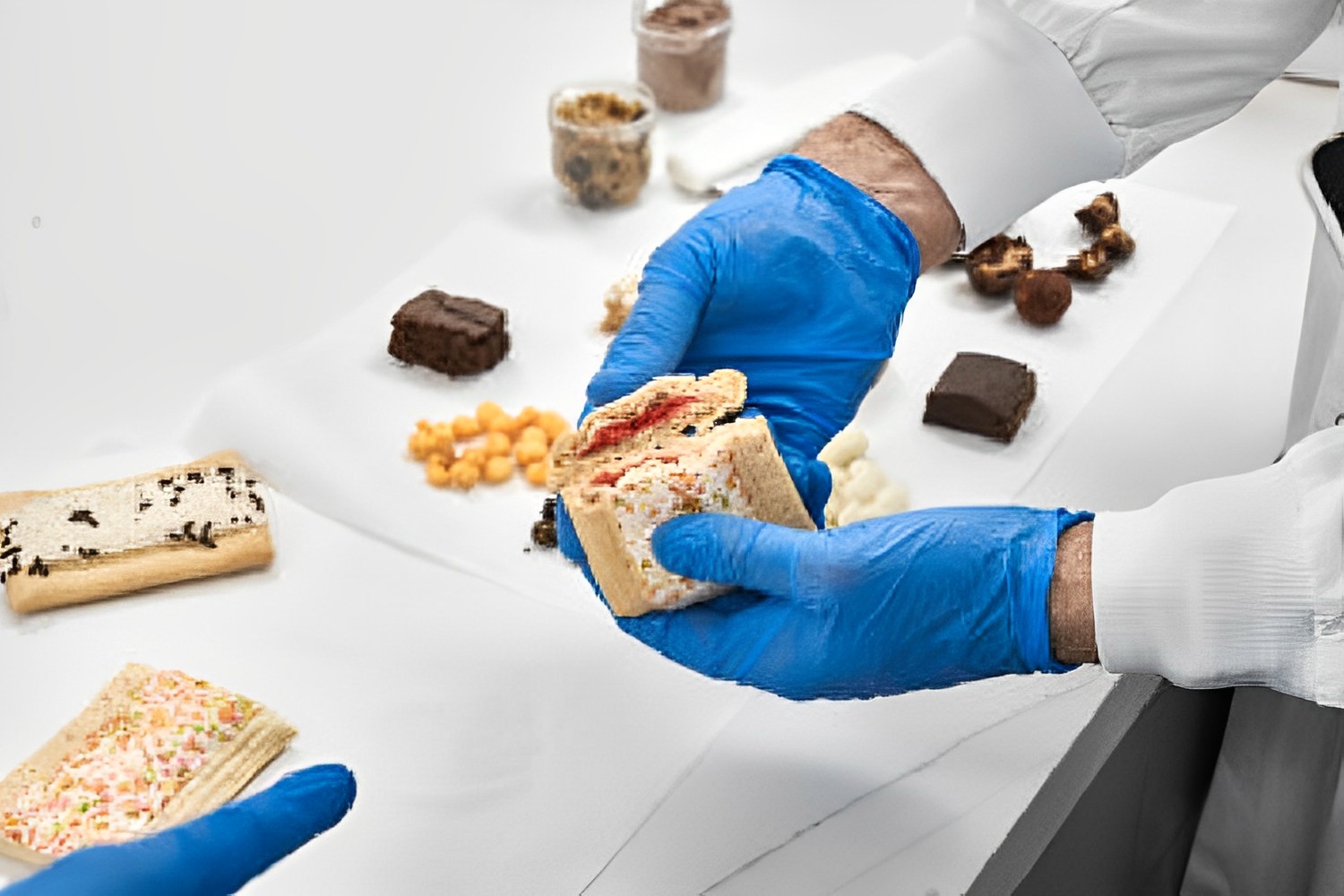
Creating your custom protein bars is a great way to get the nutrition you need in a convenient, on-the-go snack. Protein bars are a great choice when it comes to quick and easy nutrition, but it’s important to pay attention to the ingredients in the bar. Different ingredients can affect the nutritional value and taste of the bar, so it’s important to know what to look for when creating your protein bar. In this article, we’ll discuss the different ingredients and factors to consider when creating a protein bar. We’ll also discuss the benefits of creating your protein bar and provide some tips on how to make it the best it can be.
Selecting the Right Protein Source
When creating your custom protein bars, the first step is to select the right protein source. Protein is the macronutrient responsible for building and repairing muscle, and it also helps to keep you feeling fuller for longer. The custom protein bars sources for a homemade protein bar include whey, casein, egg, and plant-based proteins like peas and rice. When considering which type of protein to use, think about your goals. For example, whey protein is fast absorbing, making it the ideal choice for post-workout recovery. Casein, on the other hand, is a slow-digesting protein that is best taken before bed. Egg protein is a great option for both weight loss and muscle building, while plant-based proteins are great for those who are vegan or vegetarian.
Choosing the Right Fats and Oils
In addition to protein, fats, and oils are important ingredients in a protein bar. Fats help to provide a longer-lasting energy boost, as well as aid in satiety. The best fats and oils for a homemade protein bar include nut butter, such as almond and peanut, as well as coconut and olive oil. Nut butter is a great source of healthy fats and provides a delicious nutty flavor. Coconut and olive oil both have benefits for heart health and can help to add texture and moisture to the bar.
Deciding on Sweeteners and Flavoring Agents
When creating your custom protein bars, you will also need to decide on sweeteners and flavoring agents. The best sweeteners for homemade protein bars include honey, maple syrup, and stevia. Honey is a natural sweetener that is also packed with vitamins and minerals, while maple syrup is a great source of antioxidants. Stevia is a plant-based sweetener that is low in calories and provides a sweet taste without adding any calories. Flavoring agents, such as cocoa powder, vanilla extract, and cinnamon, are also important ingredients in a homemade protein bar. They can help to add flavor to the bar, as well as provide additional health benefits.
Incorporating Nutritional Add-Ins
In addition to the protein, fats, and sweeteners, you may also want to consider adding a few nutritional add-ins to your homemade protein bar. These add-ins can include things like dried fruits, nuts, nut butter, and seeds. Dried fruits, such as raisins, dates, and cranberries, are a great source of natural sweetness, as well as fiber and vitamins. Nuts and nut butter are great sources of healthy fats, while seeds like chia and flax are great sources of fiber and healthy fats.
Factoring in Nutrients, Calories, and Carbs
When creating your protein bar, it is also important to factor in the number of nutrients, calories, and carbs that are in the bar. The calories in a protein bar should be enough to provide energy without being excessive. The protein content should be high enough to provide a good source of muscle-building protein. Carbs should be present in a moderate amount, as too many carbs can lead to spikes in blood sugar. It is also important to make sure that the bar contains a good variety of vitamins and minerals to provide a balanced source of nutrition.
Taking the Time to Find Quality Ingredients
When creating your protein bar, it is important to take the time to find quality ingredients. This means looking for ingredients that are organic, non-GMO, and free of artificial ingredients. Quality ingredients are more likely to provide a better overall nutritional profile and a better taste.
When creating your protein bar, you should also consider the cost of ingredients. Protein sources like whey and egg proteins can be more expensive than plant-based proteins, so you may want to factor in the cost of the ingredients when deciding which type of protein to use. Quality ingredients can also be more expensive, so it is important to find a balance between quality and cost.
Picking the Right Formulation for Your Goals
When creating your protein bar, it is also important to find a formulation that is tailored to your goals. If you are looking for a protein bar that will provide energy for a workout, for example, you may want to choose a formulation that is higher in carbohydrates. If you are looking for a protein bar that will help you to lose weight, on the other hand, you will want to choose a formulation that is lower in calories and carbohydrates.
Finally, when creating your protein bar, it is important to take the time to create a delicious taste and texture. The type of protein source, fats and oils, sweeteners, and flavoring agents that you choose can all affect the taste and texture of the protein bar. Experimenting with different ingredients can help to create a protein bar that is both nutritious and delicious.
Conclusion
In conclusion, when creating your protein bar, it is important to consider the types of ingredients you use, the amount of protein, the texture, the flavor, and the packaging. Doing research ahead of time and understanding the nutritional benefits of each ingredient can help you create a delicious and nutritious protein bar. With the right ingredients and a bit of creativity, you can create a protein bar that meets your individual needs and tastes.


