


Do you know what truly holds a construction project together, ensuring everyone involved understands the exact requirements? It’s often the meticulous details found in architectural specifications. These aren’t just technical documents; they are the backbone of any successful building endeavor. Effective architectural specification management is about much more than just writing down details. It’s a continuous process that guides the entire project from concept to completion, defining quality, materials, and workmanship.
Poorly managed specifications can lead to costly mistakes, delays, and disputes. On the other hand, a well-managed specification process ensures clarity, collaboration, and ultimately, a project built to the highest standards. This guide will walk you through the fundamentals, best practices, and the vital role technology plays in modern architectural specification management.
What is Architectural Specification Management? Understanding the Fundamentals
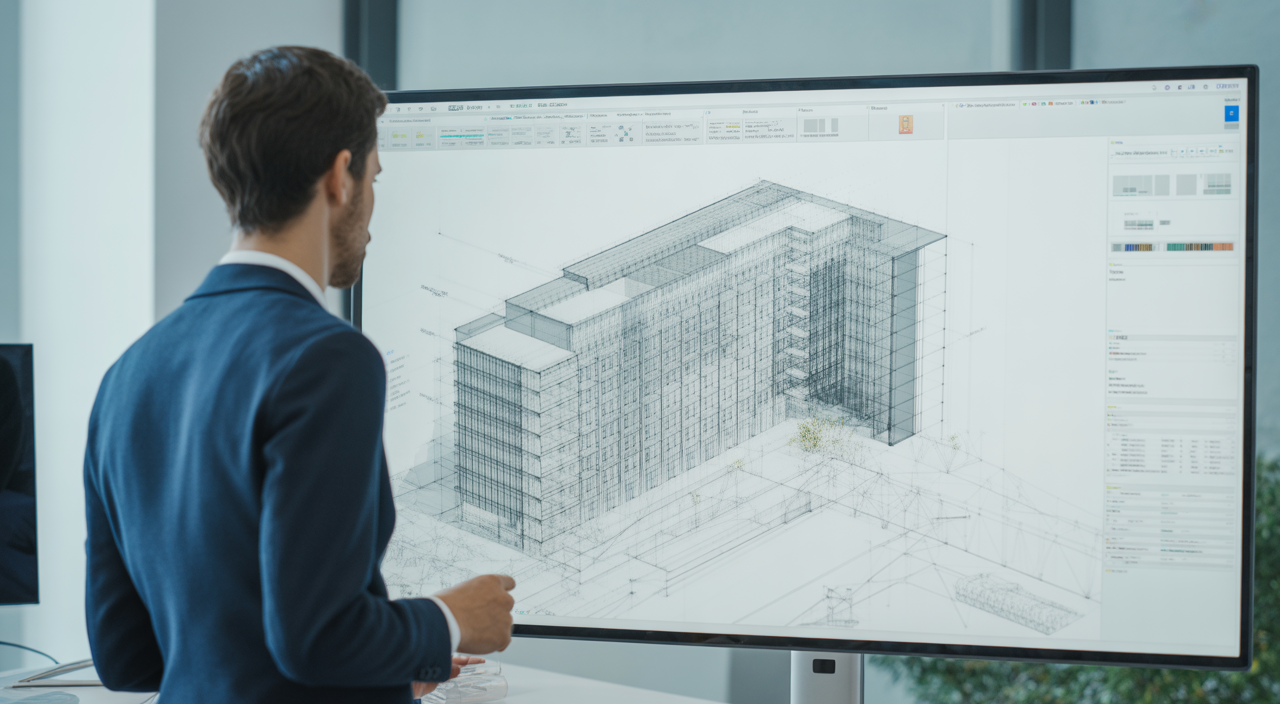
Architectural specification management is the systematic process of creating, organizing, reviewing, and distributing all the non-graphic instructions for a construction project. Think of drawings as showing “what” to build, and specifications as explaining “how” to build it and “with what.” They describe the quality, performance, and installation methods for all building materials and systems.
This management process involves many steps. It begins with careful planning and research into various products and systems. Then, it moves to drafting the actual specifications, often following industry standards like MasterFormat or NBS. After drafting, there are crucial stages of review, coordination with drawings and other project documents, and finally, distribution to contractors and other stakeholders. It also includes managing changes and updates throughout the project’s lifespan.
Why Effective Specification Management is Non-Negotiable for Project Success
The importance of robust architectural specification management cannot be overstated. It directly impacts a project’s quality, budget, timeline, and overall success. Let’s explore why it’s so critical.
Ensuring Quality and Performance
Specifications clearly define the expected quality of every component. They detail the precise characteristics of materials, finishes, equipment, and systems. This clarity ensures that contractors understand what is required. It helps prevent shortcuts and ensures the finished building performs as intended by the design team.
Mitigating Risks and Legal Disputes
Clear specifications are a shield against misunderstandings and potential legal issues. They establish a contractual basis for the work. Ambiguities or omissions can lead to costly change orders or disputes during construction. Well-defined specifications help achieve quality control and compliance with building codes and regulations, protecting all parties involved.
Budget Control and Cost Avoidance
Detailed specifications help keep projects on budget. When requirements are clear from the start, there are fewer unexpected costs due to rework or material substitutions. Contractors can bid more accurately, reducing contingencies for unclear scope. This precision prevents costly delays and helps manage the overall project lifecycle effectively.
Facilitating Seamless Collaboration
Specifications act as a common language for everyone on the project team. Architects, engineers, consultants, contractors, and owners all rely on these documents. Good specification management fosters better communication and coordination. It ensures that all disciplines are working towards a unified goal, reducing misinterpretations that could derail the project.
Common Challenges in Architectural Specification Management
Even with its clear importance, managing architectural specifications can be complex. Several common challenges often arise, leading to inefficiency and potential problems.
The Version Control Nightmare
Projects evolve, and so do specifications. Keeping track of multiple revisions can be difficult. Ensuring every team member has the latest version of a document is a constant struggle. Using outdated information can lead to significant errors on site.
Inconsistent Quality and Format
Without clear internal standards, specifications can vary greatly from project to project or even within the same firm. This inconsistency makes them harder to read, review, and manage. It can also lead to omissions or unclear instructions.
Disjointed Workflows and Poor Communication
Often, specifications are developed in isolation from other project elements like drawings or schedules. This disconnect can create conflicts between different parts of the architectural documentation workflow. Poor communication channels between design teams and construction teams can worsen these issues.
Time-Consuming Manual Processes
Many firms still rely on manual methods for writing, reviewing, and coordinating specifications. This approach is prone to human error, repetitive, and incredibly time-consuming. It diverts valuable resources that could be spent on design and problem-solving.
Integration with BIM and Other Project Data
In today’s digital world, linking specifications directly to Building Information Modeling (BIM) data and other digital project information is crucial. However, achieving this integration smoothly can be a significant hurdle for many teams. This is where digital specification management solutions become vital.
Best Practices for Modern Architectural Specification Management
Overcoming these challenges requires adopting smart strategies and tools. Here are some best practices that can transform your approach to specifications.
Establish Clear Standards and Templates
Develop firm-wide guidelines and use standardized templates for all your projects. This ensures consistency in format and content. Leveraging industry standards like CSI MasterFormat provides a recognized framework for organizing your specifications, making them easier to navigate and understand for all stakeholders.
Implement a Robust Version Control System
A reliable system for tracking changes and managing document versions is paramount. This ensures there is always a single, authoritative source of truth. Everyone should know where to find the latest specifications and be notified of any updates. This helps prevent errors arising from outdated information.
Foster Cross-Disciplinary Collaboration
Encourage early and continuous engagement among all project stakeholders. Architects, engineers, interior designers, and even key subcontractors should review and provide input on specifications. This collaborative approach ensures that specifications are comprehensive, accurate, and aligned with all project requirements.
Prioritize Accuracy and Detail
Thorough research and clear, unambiguous language are essential. Avoid vague terms or general statements. Every specification should be precise and leave no room for misinterpretation. Investing time upfront in detailed writing saves considerable time and money during construction.
Integrate with BIM and Digital Workflows
Embrace the power of Building Information Modeling (BIM). Integrating specifications directly with BIM models allows for dynamic links between graphical and non-graphic project information. This means that changes in the model can automatically update specifications, and vice versa. It enhances accuracy and efficiency significantly.
The Role of Technology: Streamlining Your Specification Workflow
Technology is no longer a luxury but a necessity for effective specification management. Modern software solutions offer powerful tools to address the complexities of today’s construction projects.
Centralized Data Management
A single, centralized platform for all project documentation is a game-changer. It provides a common environment where all specifications, drawings, and other documents reside. This eliminates the confusion of multiple file versions and locations. It also simplifies access for all authorized team members, wherever they are.
Automated Tools for Efficiency
Advanced specification writing software offers features like automated template creation, intelligent search functions, and even automated checks for consistency. These tools drastically reduce manual effort and speed up the review process. They allow professionals to focus on higher-value tasks rather than repetitive data entry.
Enhanced Collaboration Features
Cloud-based platforms provide real-time collaboration. Teams can comment, track changes, and approve specifications together, regardless of their physical location. This greatly improves communication and ensures quick feedback loops. Such platforms can integrate with streamlined project planning and execution processes.
Integration with the Broader Project Ecosystem
The best technology solutions integrate specifications seamlessly with other project tools. This includes links to drawings, schedules, requests for information (RFIs), and submittals. This comprehensive integration creates a holistic view of the project, ensuring all elements are coordinated and consistent. For a powerful platform that centralizes project data, streamlines communication, and provides robust document management features, making architectural specification management an integral part of your overall project success, explore Housebuild.com.
Future Trends in Architectural Specification Management
The field of specification management continues to evolve with new technologies and demands. Staying aware of these trends can help firms remain competitive.
AI and Machine Learning in Spec Generation
Artificial intelligence is beginning to play a role in specification writing. AI tools can help automate initial drafts, suggest relevant materials based on project parameters, and even check for compliance with standards. This promises to make the process even faster and more accurate.
Lifecycle Specification Management
Specifications are not just for construction. There’s a growing trend to manage specifications throughout the entire building lifecycle. This includes providing detailed information for facility management, maintenance, and even future renovations or deconstruction. This approach ensures long-term value and data accessibility.
Emphasis on Sustainability and Performance-Based Specs
With increasing environmental concerns, specifications are placing greater emphasis on sustainable materials, energy efficiency, and low-carbon construction. Performance-based specifications focus on the desired outcome rather than prescribing specific products, allowing for innovation while ensuring environmental goals are met.
Conclusion: Build Smarter with Superior Specification Management
Architectural specification management is a critical discipline that underpins the success of every construction project. By defining quality, performance, and legal obligations, specifications ensure that designs are executed precisely as intended. Embracing best practices and leveraging modern technology can transform your firm’s approach to specifications.
Implementing a centralized platform, focusing on collaboration, and adopting digital workflows will lead to greater efficiency, fewer errors, and ultimately, more successful projects. Investing in robust specification management means building smarter, faster, and to higher standards. Ready to transform your project delivery? Learn how an integrated platform can elevate your architectural specification management and overall project outcomes.
Frequently Asked Questions (FAQs)
What is the main difference between drawings and specifications?
Drawings typically show the visual aspects and dimensions of a building, illustrating “what” to build. Specifications, on the other hand, provide the written technical details and requirements, explaining “how” to build it, “with what materials,” and to what quality standard. Both are essential parts of the complete efficient document management for any construction project.
How can small architectural firms improve their specification management without large investments?
Small firms can start by standardizing their templates and developing a clear internal process for creating and reviewing specifications. Utilizing cloud-based document sharing platforms for version control can be a cost-effective step. Focusing on thorough research and clear communication with all project team members are also low-cost but high-impact strategies. As they grow, investing in integrated project management software can further enhance their capabilities.


