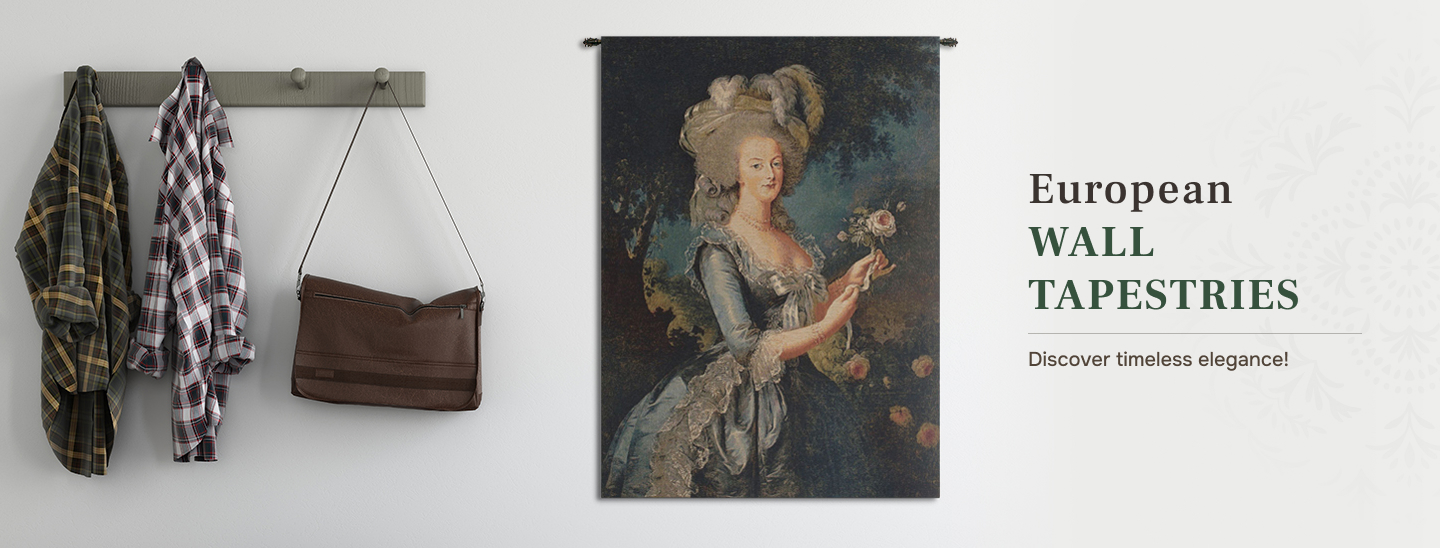
Tapestries have adorned the walls of palaces, castles, and elegant homes for centuries. Today, they remain one of the most versatile and visually compelling ways to transform a bare wall into a work of art. Whether you are drawn to medieval scenes, botanical illustrations, or fine art reproductions, finding the right tapestry requires understanding a few key principles of interior design, material quality, and personal style.
Understanding the Different Types of Tapestry Wall Hangings
Before shopping, it helps to understand what distinguishes one tapestry from another. Tapestries are woven textiles, typically featuring intricate pictorial or decorative designs. They originated in Europe during the Middle Ages and reached their peak artistry in Flemish and French workshops during the 15th through 17th centuries. Today, you can find faithful reproductions of these historical pieces alongside contemporary designs, fine art tapestries based on famous paintings, and thematic collections ranging from nature scenes to religious imagery.
The most prized tapestries are Belgian and French woven pieces, renowned for their precision, rich color palettes, and durability. Belgian tapestries in particular are considered among the finest in the world, woven on traditional looms using high-quality cotton, viscose, and polyester blends that replicate the texture and visual depth of the originals.
Choosing the Right Size for Your Space
One of the most common mistakes homeowners make is choosing a tapestry that is too small for the wall it is meant to decorate. A tapestry should feel intentional and commanding, not lost on a large expanse of wall. As a general rule, the tapestry should occupy at least two-thirds of the wall width it is hanging on. For a focal wall in a living room or dining room, a larger piece measuring 50 inches or more in width will create the bold, gallery-style impact you are aiming for.
If you are exploring the full range of available designs and styles, browsing a curated collection of tapestries for wall hanging can be an excellent starting point for understanding what resonates with your personal aesthetic.
Selecting a Style That Complements Your Interior
Tapestries can work in almost any decorating style, but the key is intentional pairing. In traditionally decorated rooms with antique furniture, rich wood tones, and warm fabrics, a medieval or Flemish tapestry feels perfectly at home. In modern or transitional interiors, a fine art tapestry bridges the gap between classical and contemporary beautifully.
For eclectic or bohemian interiors, botanical tapestries, nature-themed pieces, and vintage maps offer a layer of warmth and storytelling. The goal is always harmony: the tapestry should feel like a natural extension of the room’s color palette and mood.
Material Quality and Longevity
Not all tapestries are created equal. The finest pieces are woven using high-quality cotton and viscose blends, which produce rich, vivid colors and a satisfying weight and drape. When evaluating quality, look for tapestries that specify the weave materials — cotton, wool, viscose, and mercurized threads are all signs of a quality product.
Hanging Your Tapestry Correctly
How you hang your tapestry makes a significant difference in its final appearance. The most elegant approach is to use a decorative tapestry rod, which supports the full width of the piece. Avoid hanging tapestries in direct sunlight or in rooms with very high humidity, as both can accelerate fading and fabric deterioration.
Making the Investment Count
A well-chosen tapestry is not simply décor — it is a piece of art that can be passed down through generations. For those who want to explore authentic European-style pieces with a broad range of motifs, a dedicated collection of European tapestry wall hangings offers everything from dramatic medieval scenes to delicate floral arrangements. Take your time, consider the space carefully, and choose a piece that genuinely moves you.