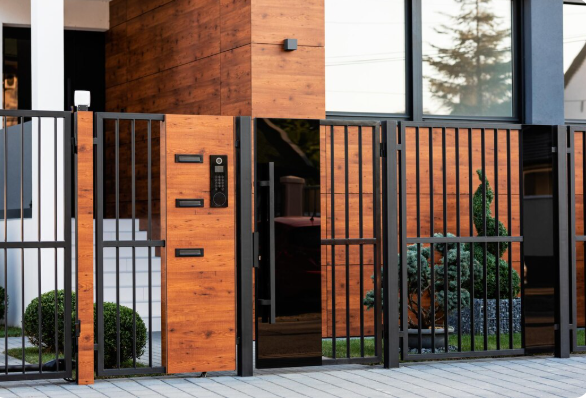
Steel security doors are designed to provide an additional layer of protection for residential, commercial, and industrial properties. Built with durable steel construction, these doors can help improve resistance against forced entry while also providing practical benefits such as durability, controlled access, and long-term performance.
For property owners, choosing a security door is about more than simply selecting a strong material. The design, frame, locking system, installation quality, finish, and intended application all influence how effectively the door performs.
What Are Steel Security Doors?
Steel security doors are reinforced doors manufactured using steel or steel components to provide greater structural strength than many conventional doors.
They may be used as:
- Main entrance doors
- Back doors
- Side entrances
- Commercial entry doors
- Warehouse doors
- Industrial access doors
- Apartment entrances
- Utility-room doors
- High-security interior doors
Depending on the application, steel doors can incorporate reinforced frames, heavy-duty hinges, specialized locks, vision panels, access-control systems, and other security features.
Why Choose Steel Security Doors?
Steel is widely used in security applications because of its strength and durability.
A properly designed steel security door can provide several advantages.
Strong Construction
Steel can withstand significant physical force, making it an appropriate material for applications where resistance to impact and forced entry is important.
Long-Term Durability
A quality steel security door can withstand frequent use and demanding environments when properly manufactured, installed, and maintained.
Improved Security
A security door can create an additional physical barrier between an occupied space and an exterior access point.
Controlled Access
Steel security doors can be integrated with different locking and access-control systems to control who can enter a property.
Professional Appearance
Modern steel doors are available in a variety of finishes and designs, allowing security features to be combined with a professional appearance.
Key Features of Steel Security Doors
Not every steel security door provides the same level of protection. When comparing options, look closely at the construction and components.
Reinforced Steel Door Panel
The door panel is one of the most important components.
Depending on the application, the panel may use reinforced steel construction designed to resist impact, bending, and other forms of physical stress.
Heavy-Duty Door Frame
A strong door panel is less effective if the frame is weak.
A properly engineered security-door frame should be securely attached to the surrounding structure and designed to work with the door and locking system.
Heavy-Duty Hinges
Hinges carry the weight of the door and help maintain proper alignment.
Security doors may use reinforced or heavy-duty hinges designed for frequent use and increased loads.
High-Security Locks
The locking system is another critical component.
Depending on the application, options may include:
- Deadbolts
- Multi-point locking systems
- Commercial-grade locks
- Electronic access control
- Keypad entry
- Card readers
- Biometric access systems
The appropriate lock depends on the property’s security requirements.
Reinforced Strike Area
The area where the lock engages with the frame is particularly important.
Reinforcement around the strike area can help the door assembly better resist attempts to force the door open.
Residential Steel Security Doors
Homeowners may install steel security doors at entrances where additional protection is desired.
Common locations include:
- Front entrances
- Rear entrances
- Garage access doors
- Basement entrances
- Side doors
A residential security door can provide a stronger barrier while still allowing homeowners to choose a design that complements the property’s appearance.
Commercial Steel Security Doors
Businesses often have different security requirements from residential properties.
Commercial steel security doors may be used in:
- Offices
- Retail stores
- Warehouses
- Restaurants
- Apartment buildings
- Medical facilities
- Industrial properties
- Storage facilities
Businesses may also integrate doors with employee access-control systems.
Industrial Steel Security Doors
Industrial environments can expose doors to frequent use, heavy equipment, temperature changes, and other demanding conditions.
Industrial security doors may therefore require:
- Heavy-duty construction
- Reinforced frames
- Durable finishes
- High-cycle hardware
- Advanced access control
- Impact resistance
The door should be selected according to the actual operating conditions rather than based solely on appearance.
Steel Security Doors and Access Control
Modern security is often about controlling access rather than simply preventing entry.
Steel doors can be integrated with electronic access systems such as:
- Keypads
- Key cards
- RFID systems
- Smart locks
- Intercom systems
- Biometric readers
- Remote access systems
This can allow property managers to control who can enter specific areas.
For example, an office might use an access-control system for employee-only areas while maintaining a separate visitor entrance.
Fire-Rated Steel Security Doors
Some steel doors are designed and tested for fire-resistance applications.
Fire-rated doors are different from ordinary security doors because they must meet applicable testing and certification requirements.
If fire protection is required, property owners should verify the door’s specific rating and ensure the complete door assembly—including frame, hardware, seals, and installation—meets the applicable requirements.
A standard steel security door should not automatically be assumed to be fire-rated.
Weather and Corrosion Resistance
Outdoor steel doors can be exposed to rain, humidity, sunlight, and temperature changes.
Corrosion protection may include:
- Protective coatings
- Powder coating
- Galvanized components
- Proper sealing
- Weather-resistant finishes
The right protection depends on the local environment and installation location.
Regular inspection can help identify early signs of corrosion or coating damage.
Customizing Steel Security Doors
Security doors don’t have to look industrial or unattractive.
Depending on the manufacturer and application, customization may include:
- Door size
- Color
- Finish
- Vision panels
- Locking systems
- Hardware
- Access control
- Door closers
- Reinforcement
- Decorative elements
This allows businesses and homeowners to balance security, functionality, and appearance.
Benefits of Installing Steel Security Doors
Enhanced Physical Protection
Steel construction can provide a stronger barrier than many lightweight door materials.
Durability
Quality steel doors can withstand frequent operation and demanding environments.
Better Access Management
Compatible locking and access-control systems can help property owners manage entry.
Low Maintenance
Steel security doors generally require routine inspection and maintenance rather than frequent replacement when properly installed and maintained.
Versatile Applications
Steel doors can be used across residential, commercial, and industrial environments.
Long-Term Value
A durable security door can provide protection for many years when the door, hardware, frame, and installation are properly maintained.
Steel Security Doors vs. Other Door Materials
Steel vs. Wood
Wood doors can provide an attractive appearance but may require more maintenance depending on the environment. Steel generally offers greater resistance to impact and physical force.
Steel vs. Aluminum
Aluminum is lightweight and resistant to corrosion, but steel generally offers greater structural strength.
Steel vs. Fiberglass
Fiberglass can provide good weather resistance and design flexibility, while steel is often preferred when physical strength and security are major priorities.
The best material depends on the property’s requirements.
How to Choose the Right Steel Security Door
Before purchasing a security door, consider the following.
Identify the Security Requirement
Determine what you’re trying to protect against.
Is the main concern:
- Unauthorized entry?
- Theft?
- Vandalism?
- Restricted access?
- Industrial hazards?
- Fire?
- Weather exposure?
The answer will influence the appropriate door specification.
Measure the Opening
Accurate measurements are essential for proper installation.
The door, frame, and surrounding structure must work together correctly.
Evaluate the Frame
Don’t focus only on the door panel. A strong security solution requires a properly engineered frame and secure attachment.
Choose the Right Lock
Consider how the property will be accessed and whether mechanical or electronic access control is appropriate.
Check Certifications
If you require fire resistance, forced-entry resistance, or another specific performance rating, verify the applicable certification or testing documentation.
Consider Professional Installation
Even a high-quality door can perform poorly if it is installed incorrectly.
Professional installation can help ensure proper alignment, frame attachment, hardware installation, and operation.
Maintenance of Steel Security Doors
Regular maintenance can help extend the useful life of a security door.
Property owners should periodically inspect:
- Hinges
- Locks
- Door closers
- Frame attachment
- Weather seals
- Surface coatings
- Corrosion
- Alignment
- Door operation
Locks and hinges may require appropriate lubrication according to the manufacturer’s instructions.
If a door becomes difficult to close, doesn’t latch correctly, or shows structural damage, it should be inspected promptly.
Frequently Asked Questions About Steel Security Doors
1. What are steel security doors?
Steel security doors are reinforced doors designed to provide increased physical protection and controlled access for residential, commercial, and industrial properties.
2. Are steel doors more secure than standard doors?
A properly designed and installed steel security door can provide greater resistance to physical force than many standard lightweight doors. Overall security also depends on the frame, hinges, locks, and installation.
3. Can steel security doors be used for homes?
Yes. Steel security doors can be installed at residential entrances, garages, basements, and other access points.
4. Are steel security doors suitable for businesses?
Yes. They are commonly used in offices, warehouses, retail locations, industrial facilities, and other commercial environments.
5. Can steel security doors include electronic locks?
Yes. Depending on the door and hardware, steel security doors can work with keypads, card readers, smart locks, biometric systems, and other access-control technologies.
6. Are all steel security doors fire-rated?
No. A steel door is not automatically fire-rated. Fire-rated doors must meet specific testing and certification requirements.
7. Do steel security doors require maintenance?
Yes. Regular inspection of locks, hinges, frames, finishes, and alignment can help maintain performance.
8. Can steel security doors be customized?
Yes. Depending on the manufacturer, doors can often be customized in terms of size, finish, hardware, locks, vision panels, and access-control features.
9. Are steel security doors suitable for outdoor use?
Many are, but outdoor installations should use appropriate corrosion protection and weather-resistant components.
10. Why is the door frame important?
The frame supports the door and locking hardware. A strong door panel cannot provide its intended level of protection if the surrounding frame is inadequate.
11. Can steel security doors improve access control?
Yes. They can be paired with mechanical locks or electronic access-control systems to help manage authorized entry.
12. How do I choose a steel security door?
Consider the property’s security requirements, door location, frame construction, locking system, required certifications, environmental conditions, and installation requirements.
Conclusion
Steel security doors offer a durable and versatile solution for properties that require an additional layer of physical protection. Their benefits extend beyond the steel panel itself—the frame, hinges, locks, hardware, installation, and overall door design all contribute to the effectiveness of the complete security system.
Whether used for a home, office, warehouse, industrial facility, or restricted-access area, the right steel security door can provide durability, controlled access, and long-term performance. Before choosing a door, evaluate the specific security requirements of the property and select a system designed to meet those needs.