
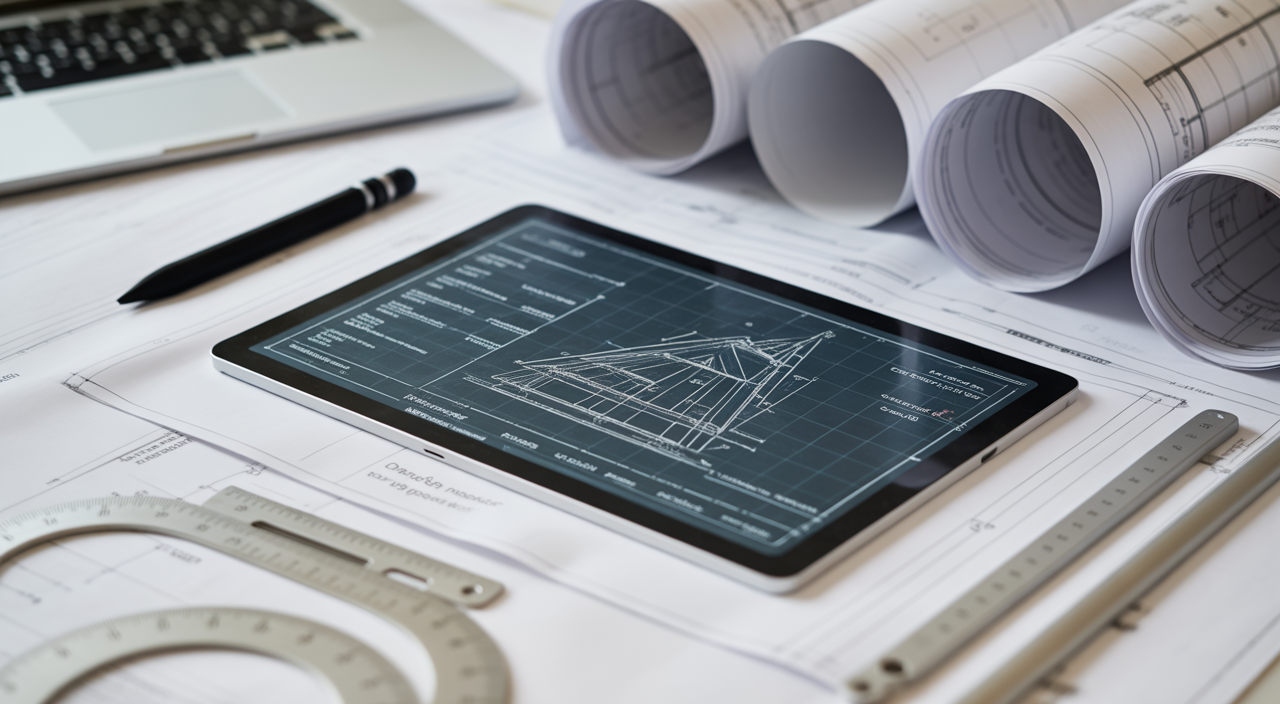
Do you ever feel like managing project specifications is a complex puzzle, full of potential pitfalls and time-consuming tasks? For anyone involved in building design and construction, getting specifications right isn’t just a detail; it’s the foundation of success. Effective architectural specification management is crucial for delivering projects on time, within budget, and to the highest quality standards. It ensures everyone understands what needs to be built and how.
This guide will explore why managing specifications is so important. We will look at the common challenges faced by professionals worldwide. Then, we will share the best practices that can transform your projects. You will also discover how modern tools can revolutionize your workflow and deliver a better return on investment.
What is Architectural Specification Management? A Core Definition
Architectural specification management is the process of planning, writing, organizing, distributing, and maintaining all the written requirements for a construction project. These “specs” describe the quality of materials, performance standards, installation methods, and other detailed instructions. They complement the drawings and blueprints, which show what the building looks like.
Think of specifications as the instruction manual for your building. They tell contractors exactly what types of windows, specific insulation, or particular paint colors to use. Good management ensures these instructions are clear, current, and accessible to everyone on the project team. It covers everything from the initial draft to final revisions and archiving.
Why Effective Specification Management is Non-Negotiable for Modern Projects
In today’s fast-paced construction industry, overlooking specification management can lead to major headaches. Poorly managed specs are a common cause of costly errors and project delays. They can result in rework, unexpected expenses, and even legal disputes.
On the other hand, strong specification management brings many benefits. It enhances overall project efficiency. It ensures greater accuracy in material procurement and installation. Clear specifications also foster better collaboration among architects, engineers, contractors, and owners. This reduces risks significantly, keeping projects compliant with regulations and standards. Ultimately, it means higher quality builds and a much better return on your investment, contributing to overall construction success.
Common Challenges in Architectural Specification Management
Despite its importance, managing specifications can be incredibly challenging. Many project teams still rely on outdated methods. This often leads to several common problems.
- Manual Processes: Writing and updating specifications by hand or with basic word processors is time-consuming and prone to human error. It also lacks standardization.
- Version Control Nightmares: It’s difficult to track changes when multiple people are involved. This can lead to confusion about which version is the most current and approved.
- Siloed Information: Specifications often exist separately from drawings, 3D models (BIM), and project schedules. This disconnect can cause misunderstandings and delays.
- Compliance Complexity: Building codes and industry standards are always changing. Keeping specifications compliant requires constant vigilance and can be a complex task.
- Lack of Collaboration Tools: Without proper tools, getting feedback and approvals from all stakeholders can be slow and inefficient.
Best Practices for Superior Architectural Specification Management
Overcoming these challenges requires a strategic approach. Adopting best practices can streamline your workflow and improve project outcomes. Here are some key strategies:
- Standardization: Use established frameworks like MasterFormat or UniFormat. These systems provide a consistent structure for organizing specifications. This makes them easier to write, understand, and manage.
- Early Integration: Bring specification writing into the project process as early as possible. This ensures that design decisions are aligned with material and performance requirements from the start.
- Clear Communication: Establish clear protocols for reviewing, approving, and distributing specifications. Everyone on the team should know their role and responsibilities.
- Centralized Repository: Create a single, easily accessible location for all project specifications. This “single source of truth” prevents confusion and ensures everyone is working with the latest information.
- Regular Audits: Periodically review specifications to ensure they are accurate, complete, and compliant with all relevant codes and standards.
- Training & Education: Invest in training your team on best practices for specification writing and management. Well-informed teams make fewer mistakes and work more efficiently.
The Role of Technology: Revolutionizing Spec Management
The biggest leap forward in managing specifications comes from technology. We have moved far beyond binders and paper documents. Modern construction management software offers powerful tools to simplify and enhance the entire process.
These platforms provide a centralized environment for all project documentation. They offer automated version control, which tracks every change and lets you easily revert to previous versions if needed. Real-time collaboration features allow multiple team members to work on specifications simultaneously, with instant feedback and approval workflows. Many systems also offer BIM integration, linking specifications directly to elements within the 3D model. This creates a richer, more accurate project representation.
Technology also helps with compliance. Built-in checkers can flag potential issues against industry standards. Reporting and analytics features give you insights into spec progress and quality. This digital transformation makes the complex task of managing building specifications into a streamlined, collaborative, and highly efficient process.
Choosing the Right Platform for Your Spec Management Needs
When selecting a platform, consider several factors. Look for software that is easy to use and has an intuitive interface. Strong integration capabilities are vital. The platform should connect seamlessly with your other project tools, such as BIM software, scheduling tools, and procurement systems. This ensures a holistic approach to construction project management.
Prioritize collaboration features that support real-time teamwork and clear communication. Data security and robust management tools are also crucial. Finally, ensure the platform is scalable to grow with your projects and offers excellent customer support. A comprehensive platform can truly elevate your project delivery.
Future Trends in Architectural Specification Management
The future of specification management promises even more exciting advancements. Artificial Intelligence (AI) and Machine Learning (ML) are beginning to automate specification drafting and perform predictive compliance checks. This means AI could help write specs faster and ensure they meet regulations proactively.
Blockchain technology might offer secure, unchangeable records for specification approvals and changes. This would enhance transparency and trust. We can also expect better integration with Virtual Reality (VR) and Augmented Reality (AR). These tools will allow project teams to visualize specifications directly within a 3D environment. This will provide even greater clarity and fewer misunderstandings on site.
Conclusion: Build Smarter, Not Harder
Effective architectural specification management is the backbone of successful construction. It minimizes risks, maximizes efficiency, and ultimately leads to superior building outcomes. By embracing best practices and leveraging modern technology, you can transform your approach to specifications. This empowers your team to work smarter, not harder.
Ready to transform your specification management and achieve unparalleled project success? Discover how a comprehensive platform can be the cornerstone of your next project, streamlining your entire workflow. For tools that help you master your entire project workflow, explore your options today.
Frequently Asked Questions
What is the difference between drawings and specifications in construction?
Drawings (blueprints) show the graphical representation of the building. They illustrate its dimensions, layout, and how different parts fit together. Specifications are the written descriptions. They detail the quality of materials, the performance required, and the installation methods. In short, drawings show “what” to build, and specifications explain “how” and “with what” to build it.
How does BIM (Building Information Modeling) relate to architectural specification management?
BIM plays a crucial role by integrating specifications directly into the 3D building model. Each element in a BIM model (like a wall, door, or window) can have associated specifications. This creates a unified data source. This connection ensures consistency between visual designs and written requirements. It also makes updates easier and reduces errors by providing a complete, intelligent model of the project.