Do you face challenges with built-up sediment or sludge in your ponds, lagoons, or industrial facilities? Removing these materials can be a tough job. Traditional methods might stir up too much turbidity, harm the environment, or simply not be efficient enough for challenging spaces.
There’s a specialized piece of equipment designed to tackle these very issues: the **auger dredge**. It’s a game-changer for precise and effective sediment removal. In this guide, we’ll explore everything you need to know about this powerful machinery. Learn how the auger dredge revolutionizes dredging operations, offering clean and efficient solutions.
What is an Auger Dredge and How Does it Work?
An auger dredge is a specialized type of dredging equipment. It’s designed to remove soft sediments, sludge, and other accumulated materials from the bottom of water bodies. Unlike some other dredges that might dig or cut broadly, this type of dredge is known for its precision.
Defining the Auger Dredge
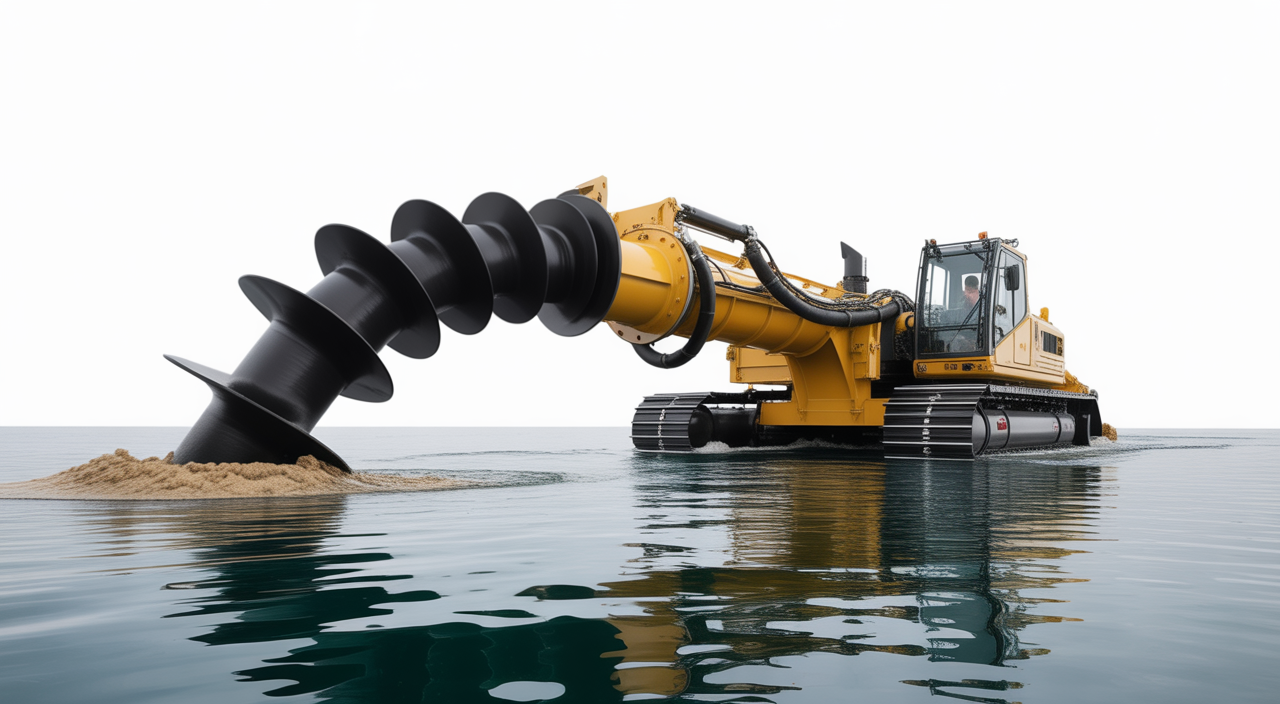
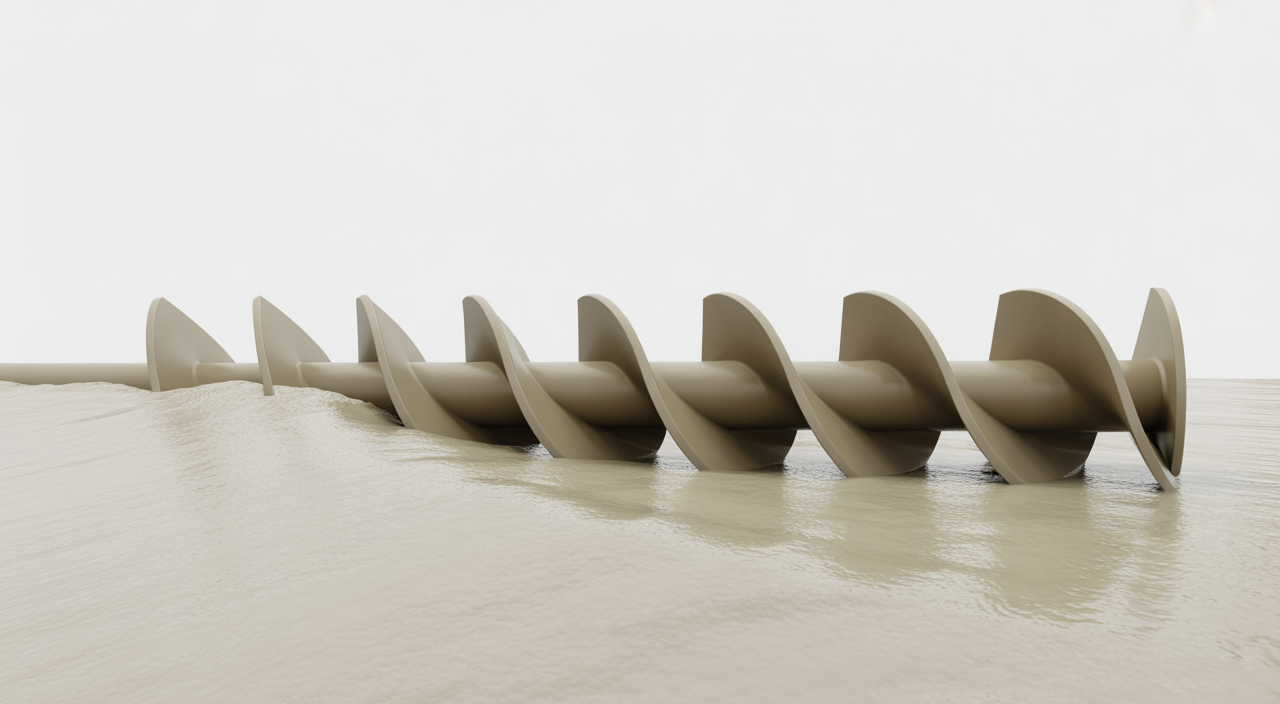
At its heart, an auger dredge uses a horizontal rotating screw, called an auger. This auger is fitted with special cutter teeth. As the dredge moves, the auger slowly rotates, loosening the material at the bottom. This action creates a steady flow of sediment.
Key components include the auger itself, a powerful pump, and a propulsion system. These parts work together to ensure sediment removal is smooth and controlled.
The Mechanism of Action: From Cutting to Pumping
Here’s how it works simply: The rotating auger digs into the sediment. It channels the loosened material towards the center of the auger head. Right behind the auger is a powerful slurry pump. This pump then sucks up the sediment-water mixture, called slurry.
This process is very gentle, minimizing disturbance to the water column above. This gentle action means much lower turbidity. Turbidity refers to how cloudy the water gets. Low turbidity is crucial for protecting aquatic life and meeting environmental rules.
Key Advantages of Auger Dredges: Precision, Efficiency, and Environment
Auger dredges offer several big benefits. They stand out when compared to other types of dredging equipment. These advantages make them a top choice for many projects worldwide.
-
Unmatched Precision in Confined & Shallow Areas
One of the biggest strengths of this equipment is its precision. The horizontal auger head can clean a wide, flat path at a consistent depth. This makes it perfect for industrial ponds, canals, and wastewater lagoons where precise removal is critical. Imagine clearing a narrow canal without disturbing its delicate banks – this equipment makes it possible. It can get into tight spots that larger, less agile dredges cannot reach.
-
Maximizing Solids, Minimizing Turbidity
Auger dredges are designed to pick up more solid material and less water. This is a huge benefit. It means you get a denser slurry, which reduces the amount of water that needs to be treated or dewatered later. Less water means lower costs and faster processing. Plus, as mentioned, the gentle action significantly reduces turbidity, which is great for the environment.
-
Operational Efficiency & Cost Savings
The efficient design of auger dredges translates into significant cost savings. You can complete projects faster due to the high solids removal rate. Lower turbidity means less environmental impact and potentially easier permit approvals. Many modern auger dredges also offer remote control options, improving operator safety and simplifying operation.
Common Applications: Where Auger Dredges Shine
The versatility of auger dredges makes them suitable for a wide range of applications. They truly shine in specific environments where other methods might fall short.
Industrial & Mining Tailings Ponds
Industrial facilities and mining operations often deal with challenging materials. These can include abrasive slurries or thick, viscous sludge. Auger dredges are built tough, handling these materials effectively. They ensure continuous and reliable cleanup of tailings ponds and settling basins.
Municipal & Wastewater Treatment
Wastewater treatment plants and municipal facilities frequently need to remove sludge from lagoons and clarifiers. The precision and low turbidity features of such a dredge are ideal here. They help maintain critical infrastructure without causing excessive disruption. This helps plants operate efficiently.
Environmental Remediation & Pond Maintenance
When it comes to delicate ecosystems, such as lake or river restoration, auger dredges are invaluable. Their controlled operation minimizes harm to aquatic life. They are also excellent for regular pond maintenance, keeping recreational areas and stormwater ponds clean and functional.
Auger Dredge Types & Features to Consider
Not all dredges are the same. They come in various types and with different features. Choosing the right one depends on your specific project needs.
Portable vs. Larger Systems
You can find everything from small, portable auger dredges that are easy to transport and deploy to much larger, more robust systems. Portable models are great for smaller jobs or sites with difficult access. Larger systems offer greater capacity for bigger projects. Consider how much material you need to move and how often you’ll move the dredge.
Power & Propulsion Systems
Auger dredges can be powered by electricity, diesel engines, or hydraulic systems. Each has its advantages. Electric dredges are often quieter and produce no emissions, ideal for sensitive areas. Diesel offers portability and power. Hydraulic systems provide excellent torque and control. The horizontal auger head is a common feature across most models, providing consistent performance.
Specialized Attachments & Customization
You can customize many auger dredges. They can have different auger heads designed for specific materials. Remote operation features enhance safety by allowing operators to control the dredge from a safe distance. Automation options can further boost efficiency. It’s worth exploring options that fit your project’s unique demands.
Auger Dredges vs. Other Dredging Methods: Why Choose Them?
While various dredging methods exist, auger dredges often provide unique benefits. They excel in situations where other equipment might struggle.
Auger Dredges vs. Cutterhead Dredges
Cutterhead dredges use a rotating cutter head with blades to break up hard material. They are powerful for compacted sand or clay. However, they can create a lot of turbidity. Auger dredges, on the other hand, are designed for softer materials like sludge, silt, and fine sand. Their horizontal auger creates less water disturbance, making them better for environmental sensitivity and precise depth control.
When to Opt for an Auger Dredge
Choose this type of dredge when your project requires precision, low turbidity, or handling specific materials like industrial sludge or municipal waste. If you’re working in confined spaces, shallow waters, or areas with strict environmental regulations, this dredge is usually the best choice. Its benefits for efficient sediment removal are clear in these scenarios.
Choosing the Right Auger Dredge: Partnering with an Industry Leader
Selecting the correct dredge is a big decision. It impacts your project’s success, budget, and environmental footprint. It’s important to partner with a company that offers reliable, high-performing equipment and excellent support.
When it comes to advanced, reliable, and efficient dredging solutions, look for industry leaders. Such companies offer unmatched engineering expertise. They provide a range of dredge models. Manufacturers build these for durability and performance in the toughest conditions. Their equipment is designed to meet strict environmental standards. They also focus on maximizing operational efficiency.
Take the time to understand your project’s specific requirements. Discuss your needs with experts who can recommend expert dredging solutions. They can help you find the perfect dredge model that ensures your project runs smoothly, on time, and within budget.
Conclusion: The Future of Efficient Dredging
Auger dredges represent a smart and effective way to manage sediment and sludge. They offer a unique blend of precision, efficiency, and environmental responsibility. From industrial ponds to municipal lagoons, these machines are proving their worth globally. They are vital for maintaining infrastructure, protecting ecosystems, and ensuring clean water.
By understanding the capabilities of this technology, you can make informed decisions. You can choose the right dredging equipment for your next project. Embrace this advanced technology for cleaner, more efficient, and more sustainable dredging operations.
Frequently Asked Questions About Auger Dredges
Q1: What types of materials can this equipment effectively remove?
This equipment is highly effective at removing soft materials. These include sludge, silt, mud, fine sand, and other accumulated sediments. It’s particularly well-suited for viscous materials often found in industrial, municipal, and wastewater applications. While it can handle some compacted materials, it excels where precision and minimal disturbance are key.
Q2: Are auger dredges environmentally friendly?
Yes, auger dredges are considered one of the most environmentally friendly dredging options. Their horizontal auger head operates with minimal agitation, significantly reducing water turbidity. This means less disturbance to aquatic life and surrounding ecosystems. The ability to pump a higher concentration of solids also reduces the volume of dredged material, making disposal and dewatering more efficient and less impactful.