


Melasma is a common skin condition characterized by dark patches on the face, often triggered by hormonal changes, sun exposure, and genetics. While several treatments exist, melasma laser treatment has gained popularity for its effectiveness in reducing pigmentation. This treatment involves using laser technology to target melanin clusters, breaking them down for the body to naturally eliminate. However, one of the most common concerns among patients is how long it takes for results to become visible.
Factors Affecting Melasma Laser Treatment Results
The time it takes to see noticeable improvements from melasma laser treatment varies based on several factors:
- Severity of Melasma – Mild cases may respond more quickly than deeper or chronic pigmentation.
- Type of Laser Used – Different lasers, such as Q-switched Nd:YAG, Fraxel, or Picosure, have varying speeds and effectiveness.
- Skin Type – Individuals with darker skin tones may require more sessions due to the higher melanin content.
- Number of Sessions – Most patients need multiple sessions, typically ranging from three to six, spaced a few weeks apart.
- Post-Treatment Care – Sun protection, hydration, and proper skincare enhance and sustain results.
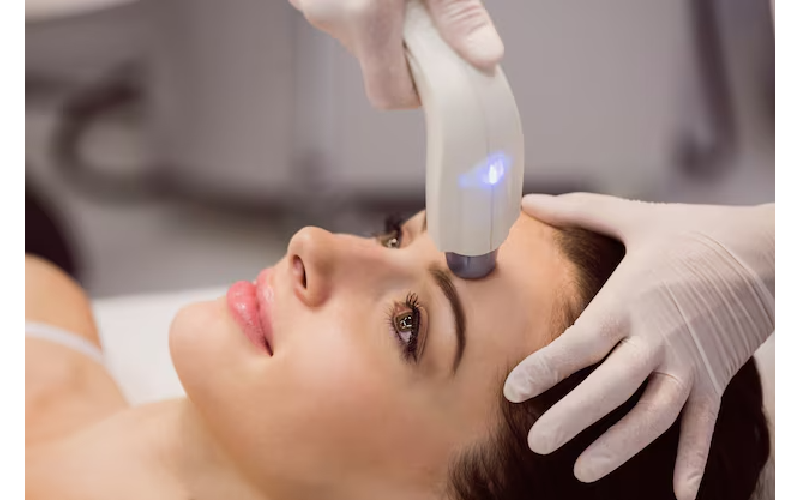
Initial Changes: The First Few Sessions
In the first one to two weeks after the initial melasma laser treatment, patients might notice slight darkening of the treated area. This is normal as the pigment breaks up and begins to surface before shedding naturally. Some individuals may experience mild redness or swelling, which subsides within a few days.
By the second or third session, often spaced four to six weeks apart, many patients begin to see improvements. The dark patches gradually lighten as the fragmented pigment is absorbed and eliminated by the body.
Visible Results: Weeks To Months
For most individuals, noticeable results appear within two to three months, after at least three sessions of melasma laser treatment. The pigmentation lightens progressively, and the skin tone appears more even. However, for persistent or deeper melasma, it may take up to four to six months to achieve significant improvement.
Long-Term Effects And Maintenance
While melasma laser treatment effectively reduces pigmentation, maintenance is crucial. Recurrence can happen due to sun exposure, hormonal fluctuations, or inadequate skincare. Dermatologists often recommend periodic touch-up sessions every six months to a year to sustain results.
Combining Laser Treatment With Other Therapies
For enhanced and faster results, melasma laser treatment is often combined with other therapies such as:
- Topical Creams: Hydroquinone, kojic acid, and vitamin C help in further reducing pigmentation.
- Chemical Peels: Mild peels can accelerate the fading process by exfoliating pigmented layers.
- Sun Protection: Wearing SPF 50+ daily prevents further pigmentation and protects laser-treated skin.
Conclusion
The timeframe to see results from melasma laser treatment varies based on multiple factors, but most individuals experience visible improvement within two to three months. Full results may take up to six months, depending on the severity and treatment regimen. Following proper post-treatment care and preventive measures ensures longer-lasting effects and reduces the risk of recurrence. Consulting with a qualified dermatologist is key to determining the most effective treatment plan tailored to individual skin types and concerns.


