
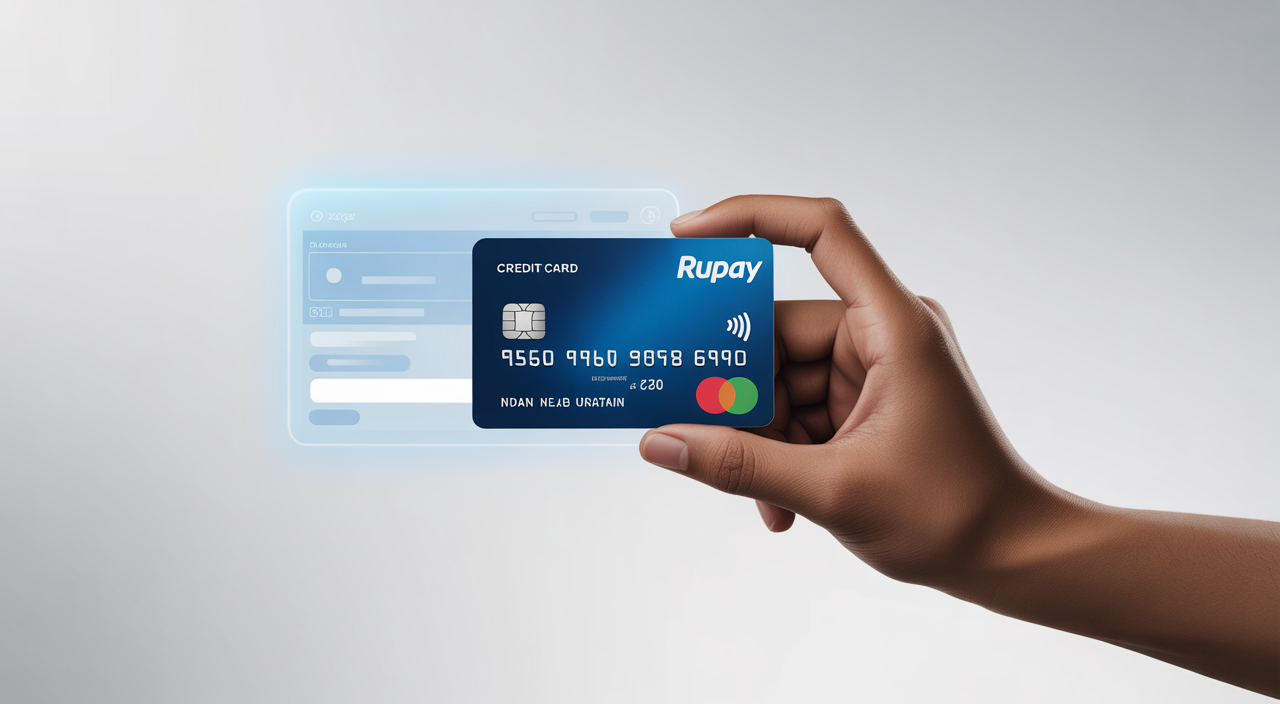
If you live in India, you’ve likely heard of or even used RuPay. It’s India’s very own card payment network, built to serve the unique needs of its people. But did you know that beyond debit cards, RuPay also offers powerful credit card options? The RuPay Credit Card has become a game-changer for many, combining convenience with significant advantages. It’s a fantastic tool for managing your finances, earning rewards, and enjoying seamless transactions.
These cards are designed with Indian consumers in mind. They offer benefits tailored to local shopping habits and digital payment trends. Understanding how to use them effectively can truly make a difference in your financial life. Let’s explore everything you need to know about these cards.
What is a RuPay Credit Card? A Brief Overview
A RuPay card is a financial product issued by banks in India, operating on the National Payments Corporation of India (NPCI) network. NPCI is an organization that oversees retail payments and settlement systems in India. Its goal is to create a robust and indigenous payment infrastructure.
RuPay, short for “Rupee” and “Payment,” was launched in 2012. It aims to reduce dependence on international payment networks. This makes it a truly Indian solution for your financial transactions. The network ensures that all transactions are processed within India, promoting a self-reliant economy.
Why RuPay is Gaining Traction Among Indian Consumers
RuPay has become very popular across India. This is largely due to its strong focus on domestic needs. Many find it appealing because it supports local businesses and keeps transaction data within the country. It aligns with the “Vocal for Local” sentiment.
Beyond this, RuPay cards often come with benefits specific to the Indian market. You might find exclusive discounts on local e-commerce sites or at your favorite neighborhood stores. This makes them a practical choice for everyday spending. They are truly built for India, by India.
<
- Focus on Cost-Effectiveness: RuPay cards often have lower transaction fees for merchants compared to international networks. This can translate into better deals for consumers or simply support local businesses more effectively.
RuPay vs. International Card Networks: Understanding the Key Differences
You might be wondering how RuPay cards differ from globally recognized card networks. While all three allow you to make payments, there are some important distinctions.
Domestic Focus and Acceptance
The biggest difference lies in their operational focus. RuPay is primarily a domestic card network. This means its strongest acceptance and benefits are within India. While some RuPay cards do offer international acceptance through partnerships, their core strength is local.
International card networks, on the other hand, are global giants. They boast widespread acceptance across the globe. For frequent international travelers, they might seem like a natural choice. However, for most transactions within India, RuPay offers competitive advantages.
Processing Fees and Economic Impact
Since RuPay transactions are processed entirely within India, the processing fees are generally lower. This can benefit merchants and indirectly, consumers. It also helps keep more money circulating within the Indian economy.
Using RuPay supports the growth of India’s digital payments infrastructure. This is a key part of the nation’s financial independence. It’s a choice that contributes to the country’s economic strength.
Data Security and Sovereignty
Since all transactions are processed within India, RuPay ensures data remains within the country’s borders, adhering to local regulations and enhancing data privacy for users.
Unique Features
RuPay cards come with unique features tailored for the Indian landscape. One standout feature is its seamless integration with the Unified Payments Interface (UPI). This is a game-changer for many users. We will talk more about this amazing feature next.
The Game-Changer: RuPay Credit Card on UPI
One of the most exciting developments in the Indian payment ecosystem is the ability to link your RuPay Credit Card to UPI apps. This combines the convenience of UPI with the benefits of a credit card.

What is UPI? A Quick Explainer
UPI, or Unified Payments Interface, is a real-time payment system developed by NPCI. It allows you to send or receive money instantly using your smartphone. Most of us use it daily for quick payments. It has revolutionized digital payments in India, making transactions simple and fast.
How to Link Your RuPay Credit Card to UPI Apps (Step-by-Step Guide)
Linking your card to UPI is a straightforward process. Here’s a general guide:
- Open Your UPI App: Launch your preferred UPI application (like popular mobile payment applications).
- Go to Payments/Credit Card Section: Look for an option related to “Add Bank Account,” “Credit Cards,” or “Link RuPay Credit Card.”
- Select Your Bank: Choose the bank that issued your RuPay Credit Card.
- Follow Prompts: The app will guide you to link your card using your registered mobile number. This number must be the same one linked to your credit card.
- Set UPI PIN: You will likely need to set a UPI PIN for your card. This is usually done using your card details and an OTP (One-Time Password).
Once linked, you can make payments directly from your credit card account using just your UPI PIN. No need to carry your physical card! This makes small merchant payments incredibly easy. It brings credit card benefits to transactions that were traditionally only possible with debit cards or cash.
Incredible Benefits of Using RuPay CC on UPI
- Seamless Small Merchant Payments: Pay at small shops, for street food, or local services where credit card machines might not be available.
- Enhanced Security: You don’t need to share your card details for every payment. Your UPI PIN keeps transactions secure.
- Faster Transactions: Payments are instant, just like regular UPI transactions.
- Maximizing Rewards: Earn credit card rewards, cashback, or points on your UPI spends. This turns everyday expenses into opportunities for savings.
- Enhanced Financial Control: By using a credit card on UPI, users can better track their expenses through credit card statements, helping them manage their budget more effectively and identify spending patterns.
Top Benefits of Owning a RuPay Card in India
Beyond the amazing UPI linkage, RuPay cards offer several other benefits that make them attractive for Indian consumers.
Exclusive Domestic Offers & Discounts
Many RuPay cards come with special offers tailored to the Indian market. These can include discounts on popular Indian e-commerce websites, travel bookings within India, or cashback at local retail stores and fuel stations. These offers can help you save a significant amount on your regular expenses.
Robust Security & Fraud Protection
RuPay, being an NPCI product, incorporates strong security features. All transactions are processed within India, adding an extra layer of data security. Banks also provide fraud protection measures, giving you peace of mind while spending.
Financial Inclusion & Credit Building Opportunities
For many, a RuPay card can be an excellent way to start building a positive credit history. Responsible usage helps improve your credit score, which is vital for future loans and financial products. If you are new to credit, understanding the secrets to successfully using a credit builder card can set you on the right path.
These cards also bring credit facilities to a wider section of the population. This boosts financial inclusion across the country. It gives more people access to formal credit and its benefits.
Contactless Payment Convenience
Many RuPay cards are enabled for contactless payments, allowing for quick, secure, and convenient transactions with just a tap at enabled terminals.
Understanding RuPay Credit Card Fees and Charges
- Annual Fees: Some RuPay cards come with an annual fee, which can sometimes be waived if you meet certain spending criteria.
- Interest Rates: If you don’t pay your credit card bill in full by the due date, interest will be charged on the outstanding amount.
- Late Payment Charges: Missing a payment due date will incur a late payment fee.
- Cash Advance Fees: Using your credit card to withdraw cash incurs a fee and immediate interest charges, making it an expensive option.
- Foreign Transaction Fees: While primarily domestic, some RuPay cards with international acceptance might charge a fee for transactions made outside India.
Choosing the Best RuPay Card for Your Needs
With various banks offering RuPay cards, choosing the right one can feel daunting. It’s important to select a card that matches your spending habits and financial goals.
Key Factors to Consider Before Applying
- Rewards System: Do you prefer cashback, reward points, air miles, or specific brand discounts? Choose a card whose rewards align with what you buy most often.
- Annual Fees and Hidden Charges: Some cards have annual fees, while others are lifetime free. Check for any hidden charges or conditions for fee waivers.
- Interest Rates and Credit Limit: Understand the interest rates on outstanding balances. Also, consider the typical credit limit offered, which depends on your income and credit score.
- Specific Offers for Your Spending Habits: If you travel a lot, look for travel benefits. If you shop online, find cards with e-commerce discounts.
Top RuPay Cards in India (Comparison Table)
Different banks offer cards with unique features. For example, some cards might be ideal for shopping, offering high cashback on online purchases. Others might be perfect for travel, providing lounge access or accelerated reward points on flight bookings. You can also find cards tailored for utility bill payments or fuel benefits. For a comprehensive list of available RuPay Credit Card options and to explore detailed features, visit our dedicated page.
Responsible Credit Card Usage: Tips for Smart Management
- Pay Your Bills on Time: Always pay your full outstanding balance by the due date to avoid interest charges and late fees.
- Monitor Your Spending: Keep track of your purchases to ensure you stay within your budget and don’t overspend.
- Don’t Max Out Your Limit: Try to keep your credit utilization low (ideally below 30%) to maintain a good credit score.
- Review Your Statements Regularly: Check your statements for any unauthorized transactions or errors.
Eligibility & Application Process for RuPay Cards
Applying for a RuPay card is similar to applying for any other credit card. There are certain criteria you need to meet.
Who Can Apply?
Generally, applicants need to be:
- An Indian resident.
- Between 18 to 60 or 65 years of age (varies by bank).
- Have a stable income (salaried or self-employed).
- Maintain a good credit score (credit rating). A higher credit score usually means better chances of approval and higher credit limits.
Documents Required for Application
You will typically need the following documents:
- Identity Proof (Aadhaar Card, Passport, PAN Card, Driving License).
- Address Proof (Aadhaar Card, Passport, Utility Bills).
- Income Proof (Salary slips, Bank statements, IT Returns).
- PAN Card (mandatory).
Step-by-Step Online Application Guide
Most banks offer an easy online application process:
- Visit the Bank’s Website: Go to the website of your chosen bank.
- Select the RuPay Card: Find the RuPay card you want to apply for.
- Fill the Application Form: Provide your personal, financial, and employment details.
- Upload Documents: Digitally upload the required documents.
- Verification: The bank will verify your details and documents. This may include a physical verification.
- Approval & Dispatch: Once approved, your card will be dispatched to your address.
Before applying, it’s always wise to plan your business budget and stay in control of your finances. This helps you choose a card that truly fits your spending capacity.
The Future of RuPay in India’s Digital Economy
RuPay is continually evolving. The National Payments Corporation of India (NPCI) is working to expand its reach and introduce new features. We can expect even more innovative services and wider acceptance in the coming years. RuPay is set to play a crucial role in India’s journey towards a truly cashless and digitally empowered economy.
Its growth signifies India’s self-reliance in the financial sector. It offers a powerful alternative to global networks. This strengthens the local ecosystem and benefits Indian consumers directly. The focus on local relevance ensures that RuPay continues to meet the unique needs of a diverse population.
Conclusion: Embrace the Power of the RuPay Credit Card
The RuPay Credit Card is more than just a payment tool. It represents a step towards financial independence and innovation within India. Its unique features, especially the UPI linkage, offer unparalleled convenience and reward opportunities. Whether you’re a seasoned credit card user or looking to get your first card, RuPay offers a compelling choice.
By understanding its benefits and how to choose the right card, you can make smarter financial decisions. Embrace the power of RuPay and simplify your daily transactions. It’s a rewarding way to manage your money in the modern Indian economy.
FAQs About RuPay Cards
Is a RuPay card accepted internationally?
Many RuPay cards now come with international acceptance through partnerships with other international networks. However, always check with your specific bank and card type for international usability.
What’s the difference between RuPay Debit and Credit cards?
A RuPay Debit card uses funds directly from your bank account. A RuPay Credit card allows you to spend money up to a certain limit, which you then repay later. Credit cards offer a credit period and rewards, while debit cards offer direct access to your own funds.
Can I use my RuPay Credit Card for online purchases?
Yes, RuPay Credit Cards are widely accepted for online transactions on various e-commerce platforms and websites in India.
What is the credit limit on a RuPay Credit Card?
The credit limit varies significantly based on your income, credit score, and the bank’s internal policies. It is determined by the issuing bank.