
Looking for the best dark chocolate that tastes amazing, supports your health goals, and is made the right way? You are not alone. Dark chocolate lovers today care about flavor, ingredients, and ethical sourcing, all at a fair price.
This guide walks you through everything you need to know to choose the best dark chocolate for your taste and lifestyle. You will learn how to read labels, understand cocoa percentages, and pick bars that fit your health and values.
By the end, you will feel confident choosing your next dark chocolate bar, whether you want something rich and bold, smooth and mild, vegan, organic, or perfect for gifting.
Why Choose Dark Chocolate?
Dark chocolate is more than a treat. When chosen well, it can be a satisfying snack that offers potential health benefits and a true gourmet experience at home. The key is picking quality chocolate with the right cocoa content and minimal extra sugar.
For many people, the best dark chocolate strikes a balance between flavor, health, and pleasure. It should melt smoothly, have a pleasant aroma, and leave a clean finish in your mouth, without feeling too sweet or too bitter.
Health Benefits & Antioxidant Power
Cocoa beans are rich in natural compounds called flavanols. These are antioxidants, which help protect the body’s cells from damage. Studies suggest that moderate intake of high-cocoa dark chocolate may support heart health and blood flow.
Here are some simple health pointers to keep in mind:
- Higher cocoa, less sugar: Bars with 70% or more cocoa usually have less sugar than milk chocolate.
- Portion size matters: A small piece after meals can satisfy cravings without overdoing calories.
- Quality over quantity: One square of a rich, well-made bar can feel more satisfying than several pieces of a low-quality one.
Remember, chocolate is still a treat, so enjoy it mindfully as part of a balanced diet.
Cocoa Percentage Explained
The number on the wrapper, such as 60%, 70%, or 85%, tells you how much of the bar comes from cocoa solids and cocoa butter. The higher the percentage, the more intense and less sweet the chocolate usually tastes.
- 50% to 60%: Softer, sweeter, good starting point if you are new to dark chocolate.
- 70% to 75%: Classic range for the best balance of flavor and health benefits.
- 80% and above: Bold, bitter, and very rich, loved by serious dark chocolate fans.
If you are not sure where to start, try a 70% bar first. Then move up or down based on how you feel about the bitterness and sweetness.
How to Evaluate Quality
Great dark chocolate is like good coffee or fine tea. Small details make a big difference in taste and experience. Use these simple checks when you buy your next bar.
Single-Origin vs Blends
Single-origin dark chocolate is made from cocoa beans that come from one country or even one region. These bars often highlight the unique flavor of that place, such as fruity, nutty, or spicy notes.
Blends mix beans from different regions to create a balanced, consistent flavor. Blends can be smoother and more familiar, while single-origin bars feel more like a tasting adventure.
Both can be excellent. If you love exploring flavor, try single-origin bars. If you prefer a reliable everyday bar, a well-made blend might suit you better.
Reading Labels: Sugar, Additives & Allergens
A good dark chocolate bar usually has a short ingredient list. Often it is just cocoa mass, cocoa butter, sugar, and sometimes a small amount of natural vanilla or an emulsifier.
- Look for: Clear cocoa percentage, simple ingredients, and no unnecessary additives.
- Check sugar: The higher the cocoa percentage, the lower the sugar tends to be.
- Allergens: If you are sensitive to nuts, dairy, or soy, read the label carefully for traces.
Vegan dark chocolate usually has no milk solids, but always confirm on the pack. If you prefer organic, check for an organic certification logo from a trusted local body.
Ethical & Sustainable Chocolate
Choosing ethically made dark chocolate supports farmers and the environment. Many craft makers focus on fair prices for growers, clean supply chains, and eco-friendly packaging.
When you shop, look out for:
- Fair pricing for farmers: Often noted on brand stories or sourcing pages.
- Responsible cocoa sourcing: Some makers share detailed origin information and farming methods.
- Minimal plastic packaging: Paper or compostable wraps are becoming more common.
You can often learn more about sourcing and ethics on a brand’s website. For example, you might explore detailed product stories on pages similar to thoughtfully crafted chocolate stories to understand how your bar is made.
Choosing the Best Dark Chocolate for Your Budget
The best bar is not always the most expensive. Many mid-priced craft bars offer excellent flavor for their cost. Think about price per gram or per piece instead of just the total price of the bar.
Here is a simple approach:
- Decide your cocoa range, such as 70% to 75%.
- Pick two or three brands within your budget.
- Taste them side by side, noting flavor, texture, and aftertaste.
This small tasting at home can help you quickly find your personal favorite and avoid wasting money on bars you do not enjoy.
Pairing Dark Chocolate Like a Pro
Pairing the best dark chocolate with drinks or snacks can create a special experience, whether you are hosting guests or enjoying a quiet evening.
Wine, Coffee & Tea Pairings
Dark chocolate pairs beautifully with many drinks. Here are a few easy ideas:
- 70% chocolate & red wine: Choose a smooth, fruity red so the tannins do not overpower the cocoa.
- High-cocoa bars & black coffee: Strong, unsweetened coffee highlights deep roasted notes in the chocolate.
- Lower-cocoa bars & tea: Dark chocolate with 60% to 70% cocoa tastes great with black or spiced tea.
Serve small pieces and sip slowly. Take a bite of chocolate, let it melt, then taste your drink to notice how the flavors change.
Creative Ways to Enjoy Dark Chocolate
Dark chocolate is wonderful on its own, but it also works well in simple recipes:
- Grate it over oatmeal or yogurt for a rich breakfast topping.
- Melt it gently to drizzle over fresh fruit slices.
- Break it into pieces and add to trail mix with nuts and dried fruits.
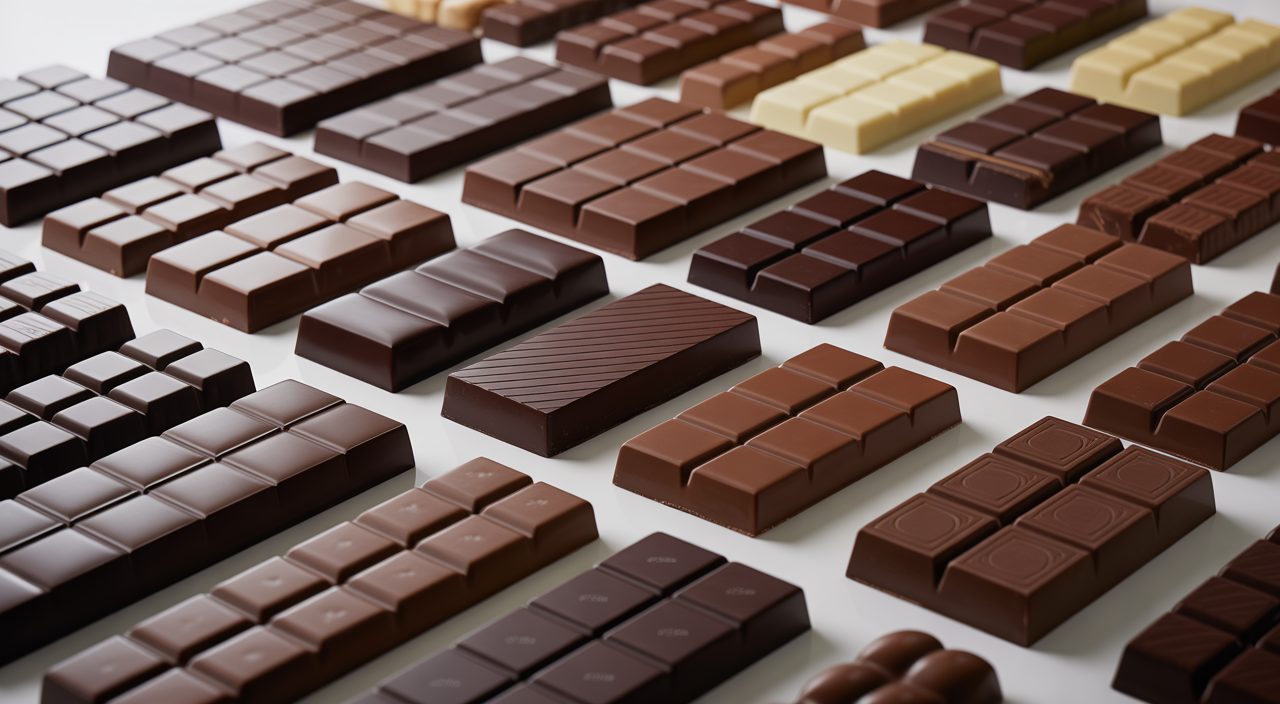
If you love gifting, consider building a small tasting set with bars of different cocoa percentages and origins. A curated gift feels thoughtful and lets friends discover their own favorites. You can explore options on collection pages similar to beautiful chocolate gift ideas when planning festive surprises.
FAQs About Dark Chocolate
1. What makes chocolate “dark”?
Chocolate is called dark when it has a higher percentage of cocoa solids and cocoa butter, with little or no milk added. Most dark bars start around 50% cocoa and can go all the way up to 100%. The higher the cocoa content, the richer and less sweet the bar tastes.
2. Is higher cocoa percentage always better?
Not always. Higher cocoa means less sugar and a stronger flavor, which some people love. However, the best choice is the one you enjoy and can eat mindfully. Many people find that 70% to 75% gives the best mix of taste, pleasant bitterness, and health-focused benefits.
3. How should I store dark chocolate for freshness?
Keep your chocolate in a cool, dry, and dark place, away from direct sunlight and strong smells. A cupboard or drawer works well. Aim for temperatures between 18°C and 22°C, and avoid the fridge unless your room is very warm, as moisture can affect texture and flavor.
With these tips, you are ready to choose and enjoy the best dark chocolate that fits your taste, health goals, and values, one square at a time.