
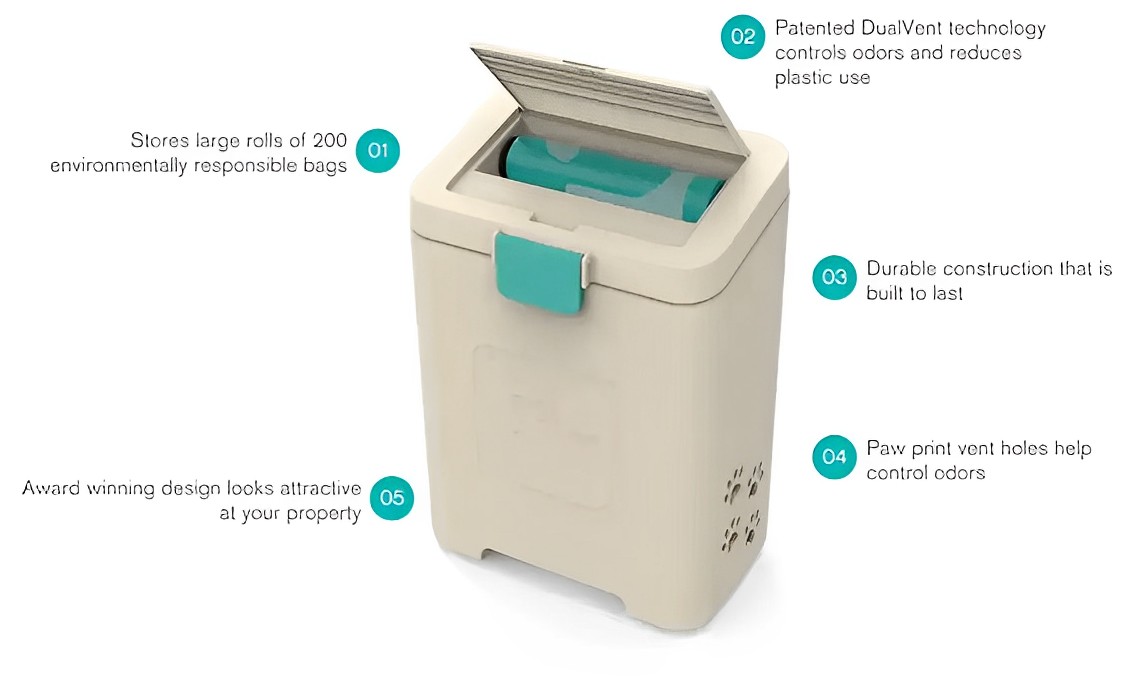
Installing dog waste stations is an essential aspect of responsible pet ownership and effective community management. These stations play a vital role in maintaining cleanliness, hygiene, and the overall well-being of public spaces. A dog waste station typically consists of a sturdy post with a dispenser for waste bags, a receptacle for collected waste, and signage with instructions for proper use. This installation process requires careful planning, selection of suitable locations, and adherence to specific guidelines. Dog waste station installation aims to promote responsible dog ownership, reduce environmental pollution, and create a safe and pleasant environment for both pets and their owners. In this article, we will delve into the various components and considerations involved in the installation of dog waste stations.
Choosing The Right Dog Waste Station Model
When it comes to dog waste station installation, selecting the appropriate model is crucial. There are various options available, each with unique features and designs. Factors to consider include the size of the station, the capacity of the waste bag dispenser and receptacle, durability, weather resistance, and ease of maintenance. The chosen model should be robust enough to withstand regular use and harsh weather conditions, ensuring its longevity and functionality. Additionally, considering the aesthetic appeal of the station can enhance its integration into the surrounding environment.
Selecting Ideal Locations For Dog Waste Station Placement
Identifying suitable locations for dog waste station placement is a vital step in installation. Areas with high foot traffic, such as parks, trails, and communal spaces, are prime candidates. It is important to consider accessibility, visibility, and convenience for dog owners. The stations should be strategically placed to ensure their presence is easily noticeable and encourage responsible waste disposal. Consulting with community members, local authorities, and pet-related organizations can provide valuable insights into the most appropriate locations to install dog waste stations.
Preparing The Installation Site For Dog Waste Stations
Before installing dog waste stations, proper site preparation is necessary to ensure a smooth and efficient process. The installation site should be cleared of any debris or obstructions to allow easy access. Assessing the terrain and soil conditions is crucial for determining the appropriate anchoring method for the station post. Additionally, considering factors like underground utilities, drainage systems, and nearby vegetation is essential to avoid any complications during installation. Adequate preparation of the installation site ensures a solid foundation and facilitates the longevity of the dog waste station.
Digging And Securing The Post For Dog Waste Station
The installation process involves digging a hole to accommodate the post that supports the dog waste station. The hole should be deep enough to provide stability while considering the frost line and local regulations. Once the hole is prepared, the post is secured firmly in place, ensuring it is vertical and stable. Various methods can be employed for securing the post, such as using concrete or specialized ground anchors. Proper installation of the post is crucial for the overall stability and durability of the dog waste station.
Installing The Waste Bag Dispenser
The waste bag dispenser is a vital component of the dog waste station that encourages responsible waste disposal. It should be securely mounted on the post at a convenient height for dog owners to access easily. The dispenser should be capable of holding an adequate supply of waste bags, and refilling should be simple and straightforward. Placing the dispenser in a prominent location on the station, along with clear instructions, encourages pet owners to utilize the provided bags for waste disposal, promoting cleanliness and hygiene in public spaces.
Setting Up The Waste Receptacle
The waste receptacle is designed to collect and contain the disposed waste bags. It should be securely attached to the dog waste station post, ensuring stability and preventing unauthorized access. The receptacle should have a sufficient capacity to accommodate the anticipated waste volume and be easy to empty and clean. Regular maintenance and emptying of the receptacle are essential to prevent overflow and maintain cleanliness. Proper disposal of the collected waste promotes a hygienic environment and prevents the spread of disease.
Attaching Clear And Informative Signage
Dog waste stations should include clear and informative signage to educate pet owners about their responsibilities and proper waste disposal practices. Signage should include instructions on bag usage, waste disposal guidelines, and reminders to clean up after pets. The signage should be visible, durable, and weather-resistant, ensuring it remains legible over time. Including images or icons can further enhance understanding and reach a broader audience. Well-placed signage serves as a constant reminder to pet owners, promoting responsible behavior and contributing to the overall cleanliness of the area.
Performing Regular Maintenance And Upkeep Of Dog Waste Stations
Maintaining dog waste stations is crucial to ensure their functionality and effectiveness. Regular maintenance includes inspecting the stations for damage or wear, replenishing waste bags and receptacles, and cleaning the stations to maintain hygiene. Prompt repairs should be conducted if any component of the station becomes damaged or compromised. Additionally, monitoring the usage and effectiveness of the stations allows for adjustments or relocations if necessary. Regular community engagement and education about the importance of responsible pet ownership and proper waste disposal can further support the maintenance efforts.
Conclusion
In conclusion, dog waste station installation involves various important considerations and steps to promote responsible pet ownership and maintain cleanliness in public spaces. Choosing the right station model, selecting suitable locations, preparing the installation site, securing the post, installing the waste bag dispenser and receptacle, attaching clear signage, and performing regular maintenance are key aspects of the installation process. By implementing and maintaining dog waste stations effectively, communities can create safer and more pleasant environments for both humans and pets, while also minimizing environmental pollution.