
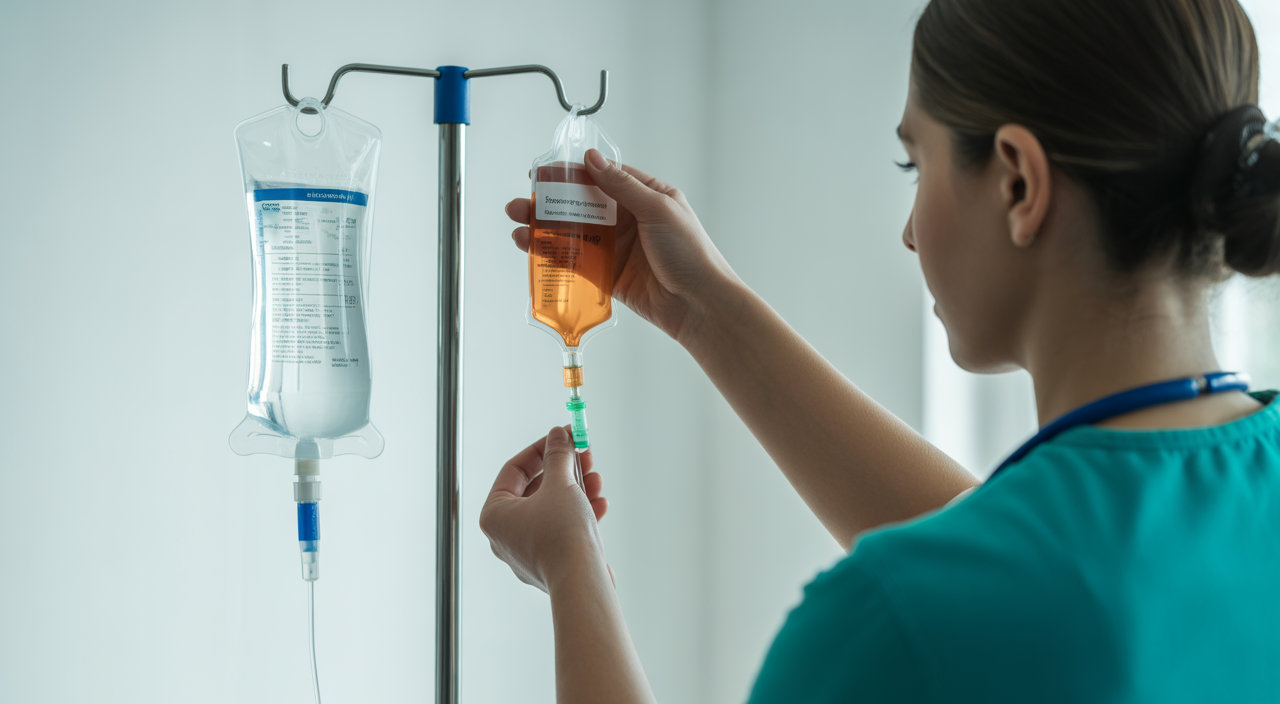
Health-conscious people everywhere are looking for faster, smarter ways to stay energized, hydrated, and strong. That is where IV Therapy comes in. It is a simple medical technique that delivers fluids and nutrients directly into your bloodstream through a small drip.
This treatment is popular with busy professionals, frequent travelers, and athletes who want quick recovery and better wellness. In India, interest is rising as more people combine modern medical care with preventive health. Understanding how it works, its benefits, and what to expect can help you decide whether it fits your lifestyle and goals.

Let us break it down in clear, practical terms so you can make a confident and informed choice.
What Is IV Therapy?
IV stands for “intravenous.” That simply means “into the vein.” During a session, a healthcare professional inserts a tiny needle into a vein, usually in your arm, and connects it to a drip bag. This bag contains a carefully mixed solution of fluids, vitamins, minerals, or other nutrients.
Because the nutrients go straight into your bloodstream, they do not have to pass through your stomach or liver first. This can make absorption faster and more efficient than with pills or drinks. Many people choose intravenous infusion therapy when they want quick hydration, immune support, or targeted wellness support.
Common Types of Drips You May See
Clinics sometimes offer different “cocktails” or combinations of nutrients. Names vary, but the ideas are usually similar. Here are some common options you may come across in India and around the world:
- Hydration infusion: Focused on fluids and electrolytes to support rehydration after travel, heat, or illness.
- Vitamin drip: Often rich in vitamin C, B-complex, and minerals to help with energy and immunity.
- Recovery blends: Targeted at athletes or people who exercise heavily, supporting muscle recovery and reducing fatigue.
- Skin and glow mixes: Designed to support skin health with antioxidants and nutrients.
Each clinic may have its own recipe. A good provider will review your health history and suggest what suits you best rather than offering a one-size-fits-all approach.
Top Benefits of IV Therapy
People choose this treatment for different reasons. Here are some of the most common benefits they look for:
- Fast hydration: Helpful after dehydration from heat, long travel, or stomach issues. The fluid goes directly into your bloodstream, so you may feel refreshed sooner than by drinking alone.
- Immune support: Nutrients like vitamin C and zinc, when used correctly, may support your body’s natural defense systems.
- Energy and focus: B vitamins and certain amino acids can play a role in your body’s energy production, which many people feel as better alertness and reduced tiredness.
- Workout recovery: For athletes and fitness enthusiasts, specific nutrient IV therapy can support muscle repair, reduce cramps, and help you get back to training faster.
- General wellness: Some people use wellness IV infusion sessions as part of a broader routine along with good sleep, nutrition, and exercise.
Of course, results vary from person to person. IV hydration therapy should always be part of an overall healthy lifestyle, not a replacement for balanced food or proper medical care.
Who Should Consider IV Therapy?
This treatment may be suitable for adults who:
- Lead very active or stressful lives and feel constantly low on energy
- Travel often and want support against jet lag or frequent infections
- Exercise heavily and need support with recovery and hydration
- Prefer medical IV infusion under professional supervision instead of taking many separate supplements
However, some people should be extra cautious or avoid it unless their doctor clearly recommends it. This includes those with kidney disease, heart failure, certain blood pressure issues, or known allergies to any drip ingredients. Always share your full medical history and medication list with the clinic before starting.
What Happens During a Typical Session?
The process is usually calm and straightforward. Here is a step-by-step view so you know what to expect:
- Consultation: A doctor or trained nurse asks about your health, lifestyle, and goals. This helps them choose the right drip and dosage.
- Preparation: Your vital signs, such as blood pressure and pulse, may be checked. You are seated in a comfortable chair, and your arm is cleaned with antiseptic.
- Insertion: A small needle is placed into a vein and connected to a tube linked to the drip bag. Many people feel only a quick pinch.
- Infusion: The fluid flows in slowly. A typical session may last 30 to 60 minutes. You can relax, read, or use your phone.
- Completion: Once the bag is empty, the needle is gently removed and a small bandage is applied. You can usually return to your normal routine right away.
The staff should monitor you throughout and make sure you feel comfortable at every step.
Safety, Quality, and Choosing a Good Provider
Safety should always come first. When you choose a clinic, look for:
- Qualified medical staff: Doctors or nurses trained in intravenous nutrient therapy and emergency care.
- Sterile environment: Fresh needles and tubing for every session, proper hand hygiene, and clean treatment areas.
- Clear ingredient list: The clinic should explain what is in each drip, why it is used, and in what dose.
- Personalized approach: No pressure to take high-dose drips without proper screening, especially for things like high vitamin C infusions.
For a deeper look at how a professional team approaches wellness services, you may explore their broader offerings, such as comprehensive health and wellness programs, and check reviews or patient stories where available.
How Often Can You Take IV Therapy?
Frequency depends on your health status, goals, and the type of drip. Some people use it occasionally, for example after a long trip or before a big event. Others follow a regular plan, such as once or twice a month, guided by their doctor.
A good practitioner will not push you into very frequent sessions without medical need. They will focus on long-term balance, including diet, exercise, stress management, and sensible supplements.
Costs and Value for Indian Investors in Their Health
In major Indian cities, prices can vary based on the clinic’s location, staff experience, and the ingredients used. More complex drips with advanced nutrients usually cost more than basic hydration options.
When you look at cost, also think about value. For a busy professional, a one-hour session that supports immunity during a demanding work season can feel worthwhile. For athletes, quicker recovery from intense training can protect both performance and long-term health. It helps to discuss clear pricing, package options, and what is included during your consultation.
Frequently Asked Questions
Q1: Is IV Therapy painful?
The only discomfort most people feel is a brief pinch when the needle enters the vein. After that, you mainly feel relaxed, with only a mild sensation of cool fluid in the arm. If you feel pain or burning, tell the nurse immediately so they can adjust the drip.
Q2: How quickly will I feel the effects?
Many people notice some changes, such as better hydration or alertness, within a few hours. For others, the effect is more gradual over the next day or two. Factors like your current health, sleep, and nutrition all play a role in how strongly you feel the impact.
Q3: Can IV Therapy replace healthy eating and exercise?
No. It is a supportive treatment, not a substitute for a balanced lifestyle. Think of it as a focused boost that works best when combined with good sleep, nutritious food, regular movement, and regular health check-ups.
Q4: Is it safe to take IV drips at home?
For most people, it is safer to receive them in a proper clinical setting where trained staff and equipment are available. In a clinic, any rare reaction can be handled quickly and correctly, which gives you extra peace of mind.