
Choosing the right system can cut costs and boost output. If you handle grains, minerals, or powders, the right choice changes daily operations. Learn how to match machines to materials and goals. For a reliable supplier and practical solutions, consider bulk material handling equipment designed for real plants.
Why good equipment matters
Good equipment keeps production steady and safe. It reduces manual handling and lowers injury risk. It also helps meet environmental and regulatory needs like dust control. Small efficiency gains add up quickly in throughput and energy savings.
Common types and where they work
Knowing the main types makes buying easier. Each type suits different materials and flow rates.
- Belt conveyors: Simple and versatile. Great for high-capacity, bulk solids handling like coal or sand.
- Screw conveyors: Compact and sealed. Ideal for sticky or abrasive materials that need controlled flow.
- Pneumatic conveying systems: Use air to move powders and small granules. Good for dust control and enclosed transport.
- Mobile and portable conveyors: Flexible for temporary sites or changing layouts on construction and mining projects.
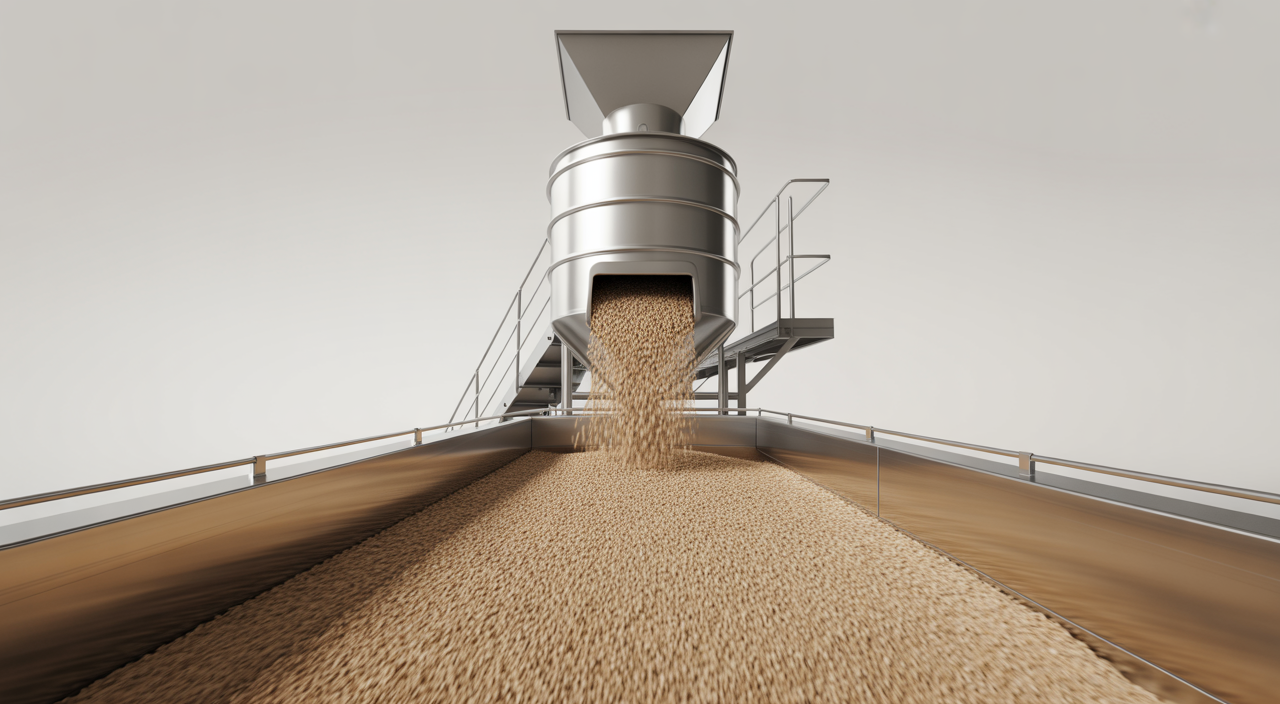
- Hoppers, feeders and silos: For storage, measured feeding and unloading. Good silo design prevents bridging and ensures smooth storage silo unloading.
How to choose the right machine
Start with the material. Check bulk density, moisture, particle size and abrasiveness. These factors decide whether to use industrial bulk conveyors or pneumatic systems.
Next, think about plant layout and footprint. Measure available space and plan routes for bins, chutes and conveyors. Consider integration with existing control systems and PLCs.
Factor in energy, maintenance and safety budgets. Machines with simple access points save time during checks. A slightly higher upfront cost can mean lower lifetime costs.
Key performance and ROI tips
Look beyond purchase price. Ask for real case metrics: throughput gains, downtime reduction, and energy use. Even a 5–10% increase in throughput can pay back quickly.
Create a basic total cost of ownership (TCO) estimate. Include installation, expected maintenance, spare parts and energy use. Use conservative numbers for production gains so returns are realistic.
The Meto Systems advantage
Meto Systems focuses on practical, modular systems that match plant needs. Their teams can help size conveyors and design hopper systems with attention to maintenance access and safety. For details on specific product lines, explore our product range.
For buyers in India, Meto Systems can advise on typical lead times, local service options and custom layouts that reduce installation time. You can also request a quote or set up a technical visit.
Maintenance and safety best practices
Simple maintenance steps cut most downtime. Keep belts aligned, check bearings regularly, and clear dust collectors. Replace wear parts before failure to avoid costly stoppages.
Follow safety checklists for guards, emergency stops and lockout-tagout procedures. Regular training for operators keeps incidents low and improves handling quality.
Integration with automation and IoT
Modern plants benefit from monitoring and remote alerts. Sensors can track belt speed, motor load and material flow. Data helps predict maintenance needs, reducing unplanned stops.
Small investments in sensors and PLC upgrades can give fast returns through reduced downtime and better energy use. Think of automation as a tool to protect throughput and quality.
Practical buying checklist
- Record material properties and target throughput.
- Map the plant layout and measure available space.
- Compare TCO, not just sticker price.
- Ask for references and recent case studies.
- Plan for spare parts and local service availability.
Conclusion
Choosing the right bulk material handling equipment improves safety, cuts costs and increases throughput. Start with clear material data, compare TCO, and pick suppliers who support installation and after-sales care. A measured approach helps your plant grow steadily and profitably.
FAQs
Q: How do I decide between belt and screw conveyors?
A: Use belt conveyors for high-capacity, low-dust bulk flow. Choose screw conveyors for compact layouts or sticky materials. Consider maintenance access and sealing needs when you decide.
Q: What maintenance schedule should I follow?
A: Do daily visual checks, monthly bearing and belt inspections, and quarterly safety audits. Keep records of wear parts and replace before failure to avoid longer downtime.